Trump announces U.S. will end $4 billion military aid to Israel by end of 2026
Reported by
A dot shows how that piece reads — Prism rates articles, not outlets, and shows the words behind each placement below. No dot means the piece isn’t rated. How the ratings work
ABC News
What happened
The account the coverage agrees on, with contested figures attributed rather than asserted. This is not one of the five framings below — it is the ground they all stand on.
President Donald Trump announced on Election Day that the U.S. will end $4 billion in annual military aid to Israel by the end of 2026. Trump said he had reached an agreement with Israeli Prime Minister Benjamin Netanyahu on the matter and that Israel "doesn't need it." The aid package, which began in 2019 under President Obama, was scheduled to continue until 2028. Trump indicated the U.S. would instead sell military hardware to Israel rather than provide direct aid, and cited Democratic political attacks on Republican support for Israel as a factor in the decision.
Developing story · 2 chapters
- Trump announces U.S. will end $4 billion military aid to Israel by end of 2026you are here
- Trump announces US ending $4 billion in military aid to Israel by end of 2026
How the spectrum reads this story
The same event, summarised as five points on the political spectrum would each tend to frame it. These are generated by an AI model and are a starting point, not the last word.
Left
Trump's move to end military aid to Israel is notable as a break from unconditional U.S. support, though the outcome remains inadequate. The decision to replace grants with arms sales perpetuates military-industrial dynamics and fails to address underlying questions about the scale of weapons transfers or their human rights implications. Real policy change would require examining whether selling arms is meaningfully different from giving them, and whether the U.S. should condition all military support on concrete steps toward Palestinian rights and an end to occupation.
No article in this story reads this way. This is how the position tends to frame events like it — written by a model, not quoted from anyone.
Center-left
While ending direct military aid represents a shift in U.S.–Israel relations, the substance is modest. Converting grants to arms sales maintains U.S. military support at similar levels and doesn't represent a meaningful change in the strategic relationship. The decision appears driven by domestic political considerations rather than foreign policy strategy. Policymakers should debate whether this arrangement actually serves U.S. interests or Israeli security, and whether a recalibrated aid structure could better balance support for Israel's legitimate security needs with accountability for actions affecting Palestinian civilians.
Drawn from 2 articles placed here, below.
Center
Trump's announcement reflects a pragmatic recalibration rather than a rupture. If Israel genuinely concurred, as both claim, the change may be sustainable. Converting aid to sales could reduce political friction domestically while maintaining Israel's defensive capabilities—a workable compromise between those demanding cuts and those opposing them. The credibility of the "agreement" with Netanyahu matters: if genuine, it suggests coordinated policy; if not, it signals deterioration in the relationship. The practical impact depends on whether sales prices, terms, and speed of delivery differ meaningfully from the aid being replaced.
Drawn from 9 articles placed here, below.
Center-right
This decision corrects a long-standing imbalance in foreign aid. The U.S. has subsidized Israel's defense for decades while facing domestic fiscal pressures; asking a wealthy, capable ally to purchase its own military equipment is reasonable stewardship of taxpayer funds. If Netanyahu himself sought this arrangement, it reflects Israel's confidence in its own strength. The shift to arms sales maintains the U.S.–Israel security relationship while putting military support on a commercial footing—a more honest accounting of mutual interest than indefinite grants. This approach respects Israeli sovereignty while being fiscally responsible.
Drawn from 6 articles placed here, below.
Right
The decision to end blank-check aid to Israel is overdue. For too long, U.S. foreign policy has been held hostage to one country's interests, with Congress reflexively approving aid packages while neglecting American problems. Requiring Israel to purchase its own defense equipment is a return to normal great-power relationships based on mutual benefit, not subsidy. If Israel is as capable as it claims, it can afford its own military. This move reasserts American independence in foreign policy and redirects resources to genuine U.S. strategic interests rather than entangling commitments that drain the treasury and limit diplomatic flexibility.
No article in this story reads this way. This is how the position tends to frame events like it — written by a model, not quoted from anyone.
Hear two viewpoints debate it
Pick two viewpoints and Prism writes a short, six-turn exchange about this story in each one’s own voice — steel-manned, no winner declared. Each pairing is written once and then saved for every reader. The voices are AI syntheses of a tradition, not real people.
New pairing — Prism will write it now.
How each outlet covered it
Where Prism places each piece — not the outlet in general — with the words from that piece that put it there, and the photograph the outlet chose. Picking a photo is a framing decision too.
 NYTThis piece reads center-left
“a sign of how quickly the politics surrounding Israel have shifted”
Read the original ABC NewsThis piece reads center
“ABC News' Jay O'Brien reports on the comments President Donald Trump made”
Read the original- HuffPostThis piece reads center
“left-wing politicians were using the U.S.'s financial support to Israel”
Read the original  NewsNationThis piece reads center
“will sell arms to its closest ally in the Middle East”
Read the original Straight Arrow NewsThis piece reads center
“announces the U.S. will stop sending $4 billion in aid to Israel”
Read the original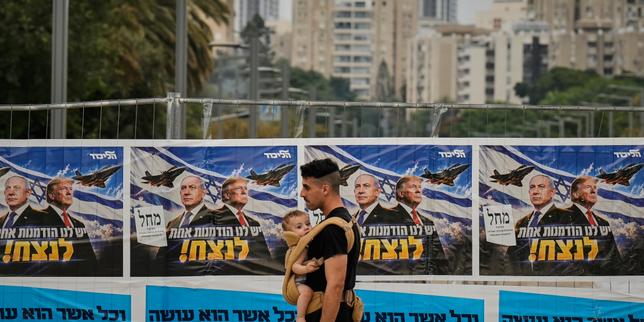 Le MondeThis piece reads center
“began in 2019 and was signed under his predecessor, Barack Obama”
Read the original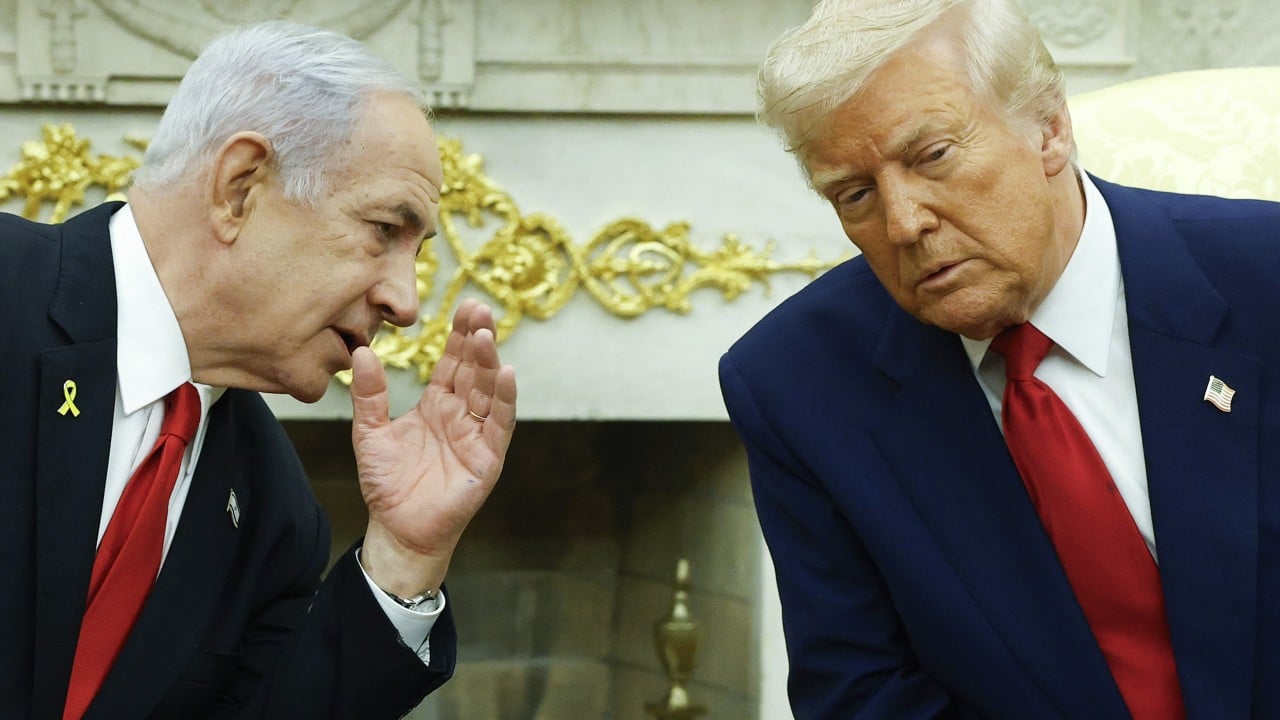 South China Morning PostThis piece reads center
“ending a 10-year security aid deal with Israel”
FramingLeads with Trump's rationale for the cut in the headline itself, whereas most others state the dollar figure or the agreement with Netanyahu first.
Read the original- The Express TribuneThis piece reads center
“Says democrats, left-wing politicians using US financial support to Israel”
Read the original - Courthouse NewsThis piece reads center
“Netanyahu has said the American aid would end at some point”
Read the original  France 24This piece reads center
“he made a deal with Israeli Prime Minister Benjamin Netanyahu”
Read the original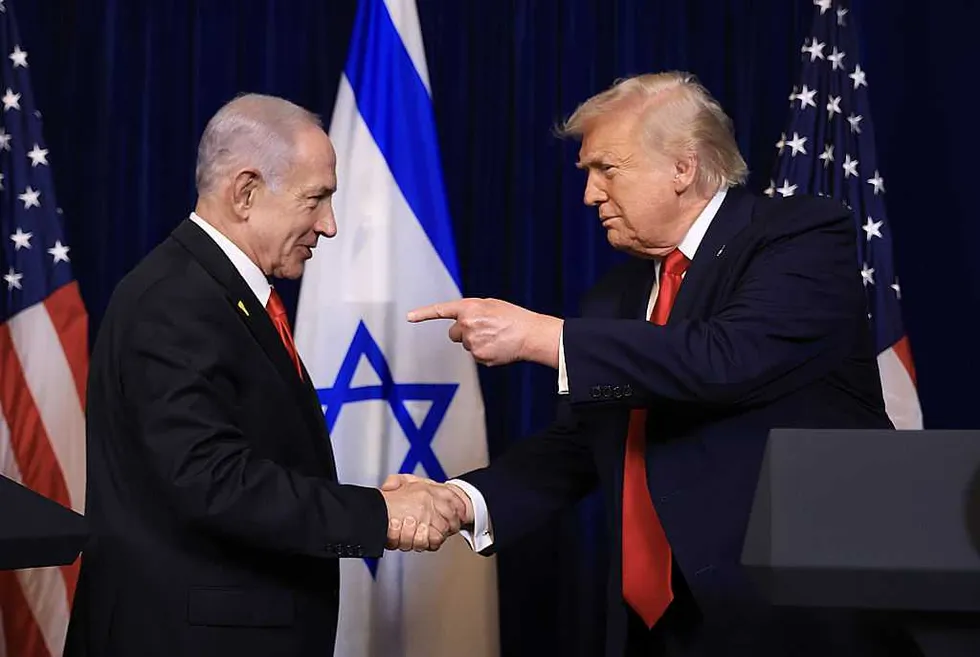 The BlazeThis piece reads center-right
“they don't need it" and he doesn't need the grief from Democrats”
FramingNames a specific Democratic politician and frames the aid decision primarily through domestic electoral politics, where other outlets present the agreement with Netanyahu as the leading reason.
Read the original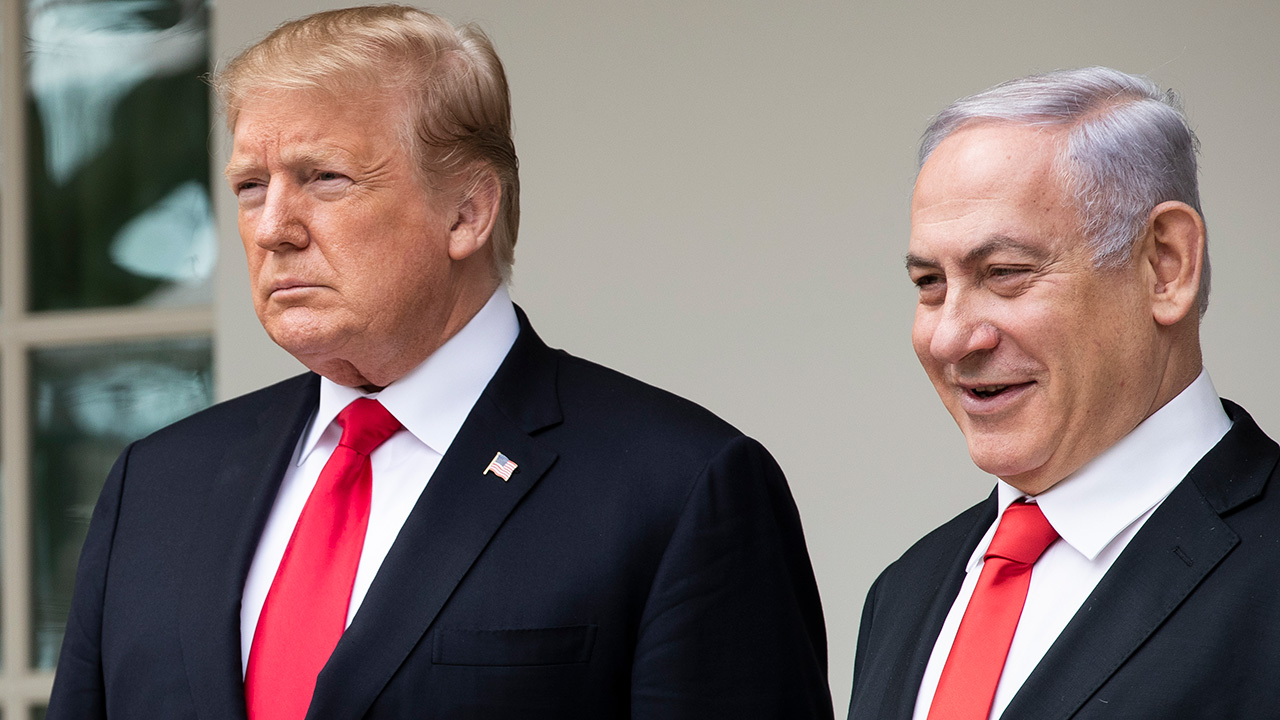 The Daily SignalThis piece reads center-right
“Trump Ends Billions of Military Aid to Major U.S. Ally”
Read the original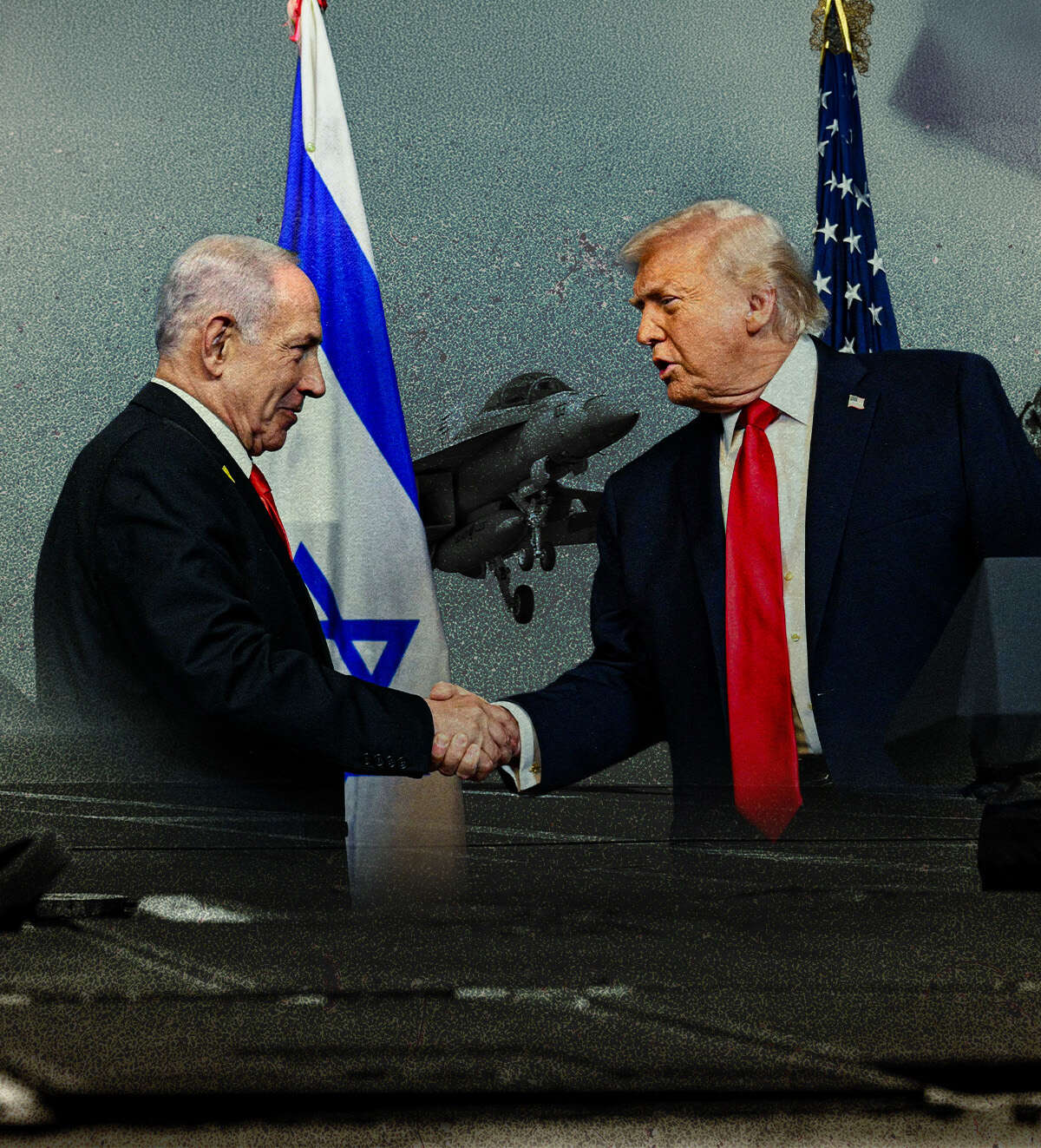 Israel HayomThis piece reads center-right
“Netanyahu and I agreed to stop $4 billion US aid to Israel”
Read the original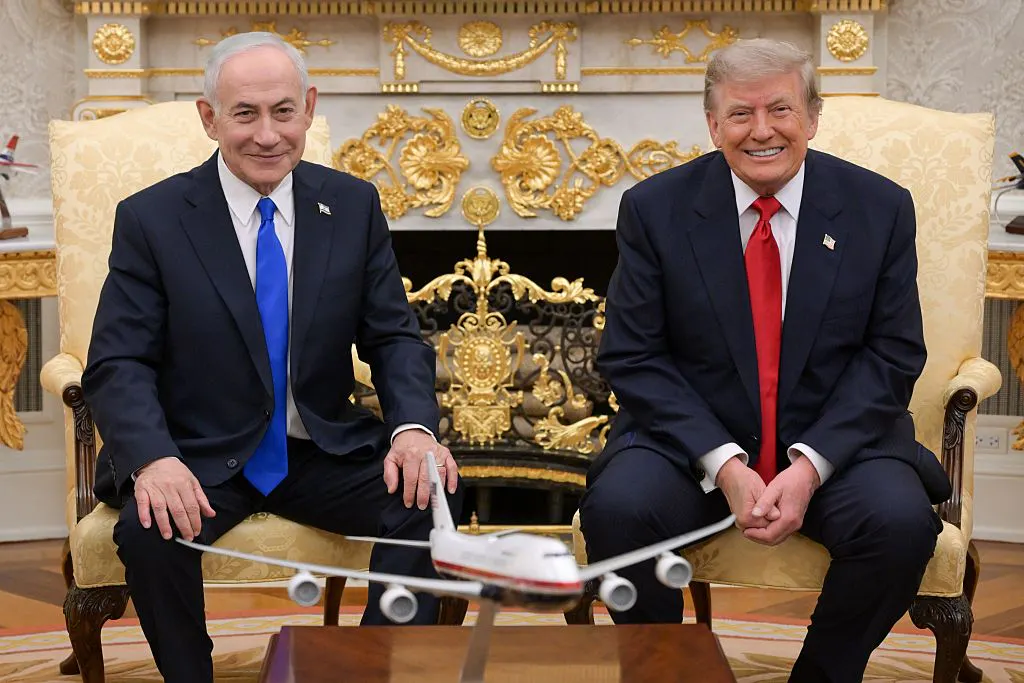 The Daily WireThis piece reads center-right
“Netanyahu himself asked him to do so. Speaking with Fox News”
FramingEmphasizes Netanyahu's agency in requesting the cut, foregrounding this as Trump's primary justification more directly than most other outlets.
Read the original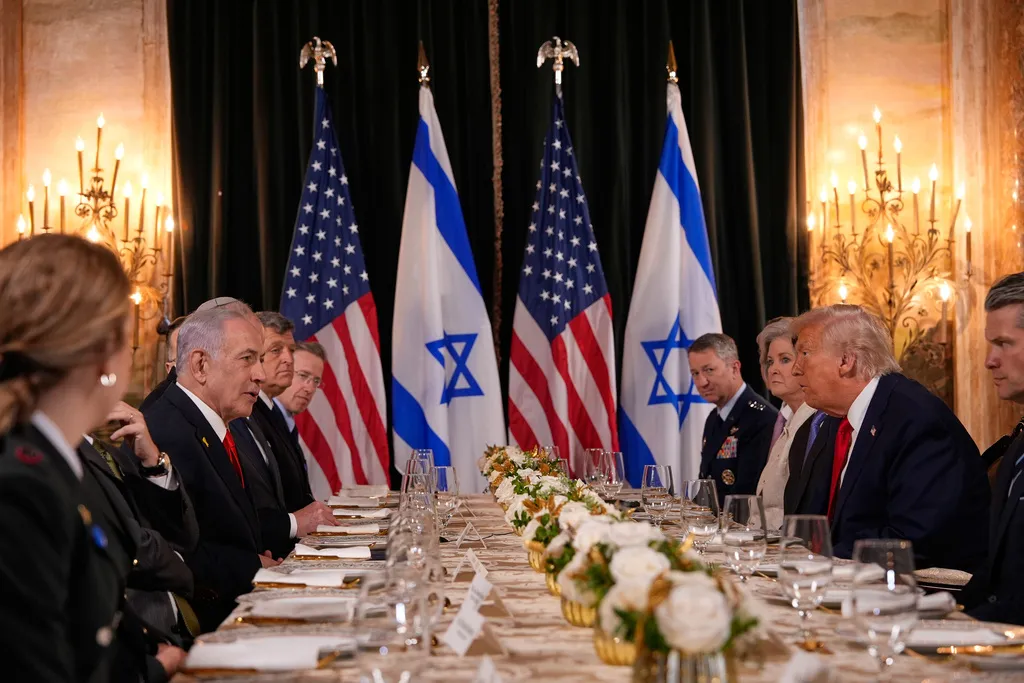 Washington ExaminerThis piece reads center-right
“all military funding to Israel will be cut by the end of the year”
Read the original
Placements are generated by an AI model from each article’s own headline and summary, and every quotation above is checked to be a real substring of that article before it is published. How this is done
Prism is free and carries no advertising. Support it if it was useful.