Supreme Court allows Trump border wall construction in Big Bend area of Texas to proceed
Reported by
A dot shows how that piece reads — Prism rates articles, not outlets, and shows the words behind each placement below. No dot means the piece isn’t rated. How the ratings work
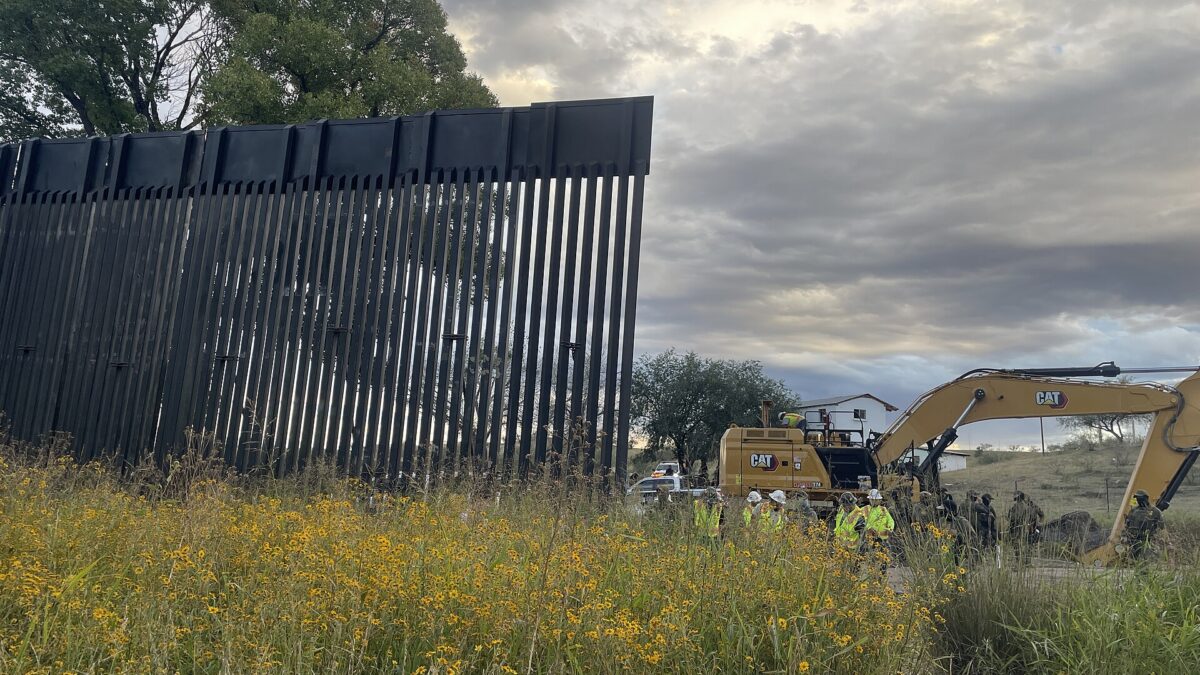
What happened
The account the coverage agrees on, with contested figures attributed rather than asserted. This is not one of the five framings below — it is the ground they all stand on.
The Supreme Court on Monday ruled 8-1 that the Trump administration can continue construction of a border wall in the Big Bend region of Texas. The court lifted a previous court order blocking the project. The more than 500-mile stretch includes a barrier wall, roads, cameras, vehicle barriers and sensors planned in and around Big Bend National Park. The Trump administration obtained emergency relief to proceed while a lawsuit over the plan continues. The administration signaled it had adjusted construction plans to aim at preserving the landscape and public access.
How the spectrum reads this story
The same event, summarised as five points on the political spectrum would each tend to frame it. These are generated by an AI model and are a starting point, not the last word.
Left
The Supreme Court has cleared the way for the Trump administration to destroy a fragile ecosystem and violate the rights of communities and Indigenous peoples in Big Bend. By allowing construction to proceed while litigation continues, the court has privileged border security ideology over environmental protection and democratic process. This decision shows how the judiciary enables executive overreach when it serves a xenophobic agenda, waiving environmental laws that normally protect public lands and wildlife.
Drawn from 1 article placed here, below.
Center-left
The Supreme Court's decision to allow border wall construction in Big Bend reflects a troubling prioritization of security concerns over environmental protection. While the court framed this as balancing government interests, the ruling effectively sidelines legitimate environmental and community concerns raised by conservationists, ranchers, and local stakeholders. The administration's promise to preserve the landscape rings hollow given that it waived dozens of environmental protections to proceed, suggesting the damage cannot be adequately mitigated.
Drawn from 1 article placed here, below.
Center
The Supreme Court weighed competing government interests—border security and environmental protection—and found that national security concerns outweigh the environmental and recreational harms alleged by opponents. The ruling allows construction to proceed while legal challenges continue, a pragmatic middle-ground approach. The fact that one justice dissented and the administration says it adjusted plans to minimize landscape damage suggests genuine disagreement about how to balance these legitimate but conflicting priorities.
Drawn from 5 articles placed here, below.
Center-right
The Supreme Court correctly recognized that border security is a core government responsibility that must be weighed seriously against other concerns. While environmental protections matter, they cannot be treated as absolute vetoes on national security projects. The 8-1 ruling reflects broad judicial consensus that the administration acted within its authority. The administration's adjustments to preserve landscape access show good-faith effort to minimize unnecessary damage while accomplishing essential security objectives.
No article in this story reads this way. This is how the position tends to frame events like it — written by a model, not quoted from anyone.
Right
The Supreme Court has rightly affirmed that the government's duty to secure the border takes precedence over environmental objections to border wall construction. For years, activist judges blocked necessary security infrastructure on dubious environmental pretexts. This 8-1 decision rejects that obstruction and allows the Trump administration to fulfill its constitutional responsibility to protect the nation's borders. The construction can proceed while addressing legitimate environmental concerns where feasible, but security cannot be held hostage to endless litigation.
Drawn from 1 article placed here, below.
Hear two viewpoints debate it
Pick two viewpoints and Prism writes a short, six-turn exchange about this story in each one’s own voice — steel-manned, no winner declared. Each pairing is written once and then saved for every reader. The voices are AI syntheses of a tradition, not real people.
New pairing — Prism will write it now.
How each outlet covered it
Where Prism places each piece — not the outlet in general — with the words from that piece that put it there, and the photograph the outlet chose. Picking a photo is a framing decision too.
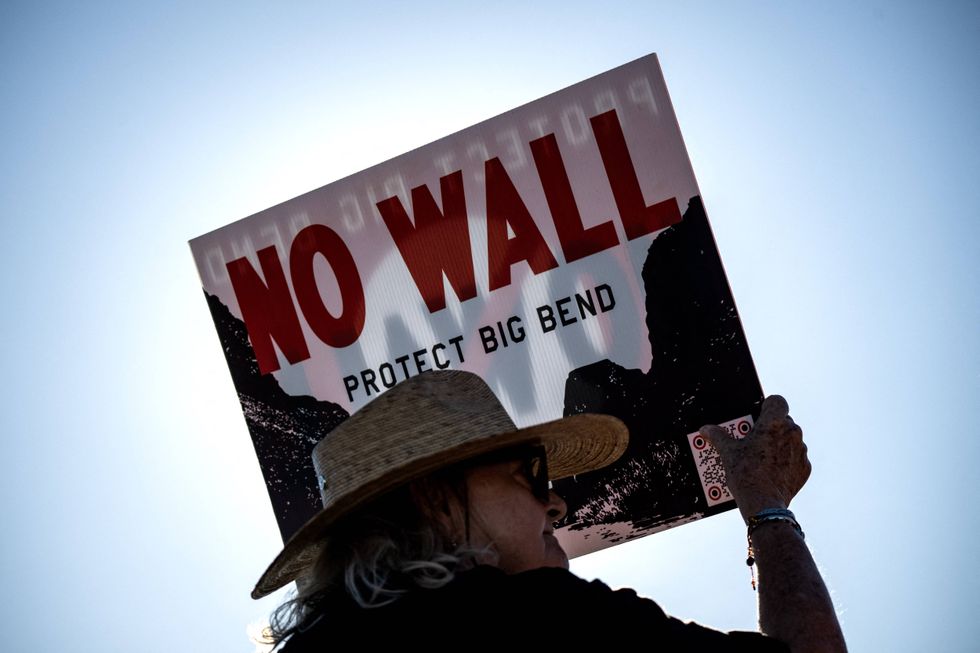 Common DreamsThis piece reads left
“Horrific': Supreme Court OKs Trump's Border Wall Construction”
FramingOpens with a scare-quoted characterization from advocates before stating the ruling, framing the decision negatively from the start, whereas other outlets lead with the factual ruling itself.
Read the original- LA TimesThis piece reads center-left
“A broad coalition of environmentalists, cattle ranchers, farmers, river boat”
What's left outNames specific categories of opponents before the ruling, contextualizing who opposed the project, a framing most other outlets omit.
Read the original 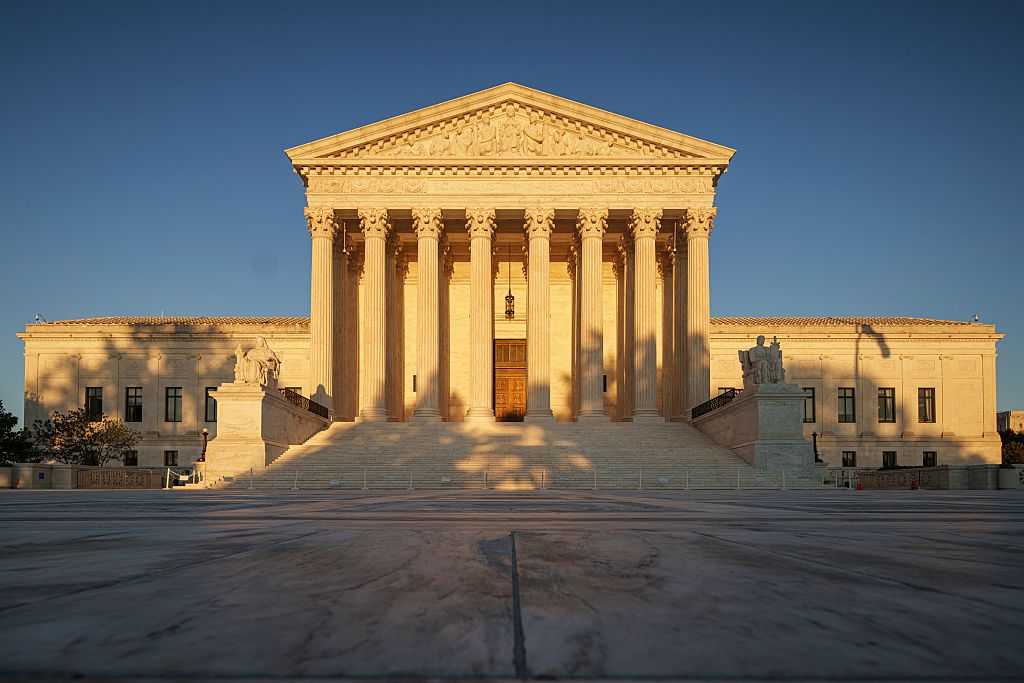 SCOTUSblogThis piece reads center
“Supreme Court allows Trump administration to continue border wall construction”
Read the original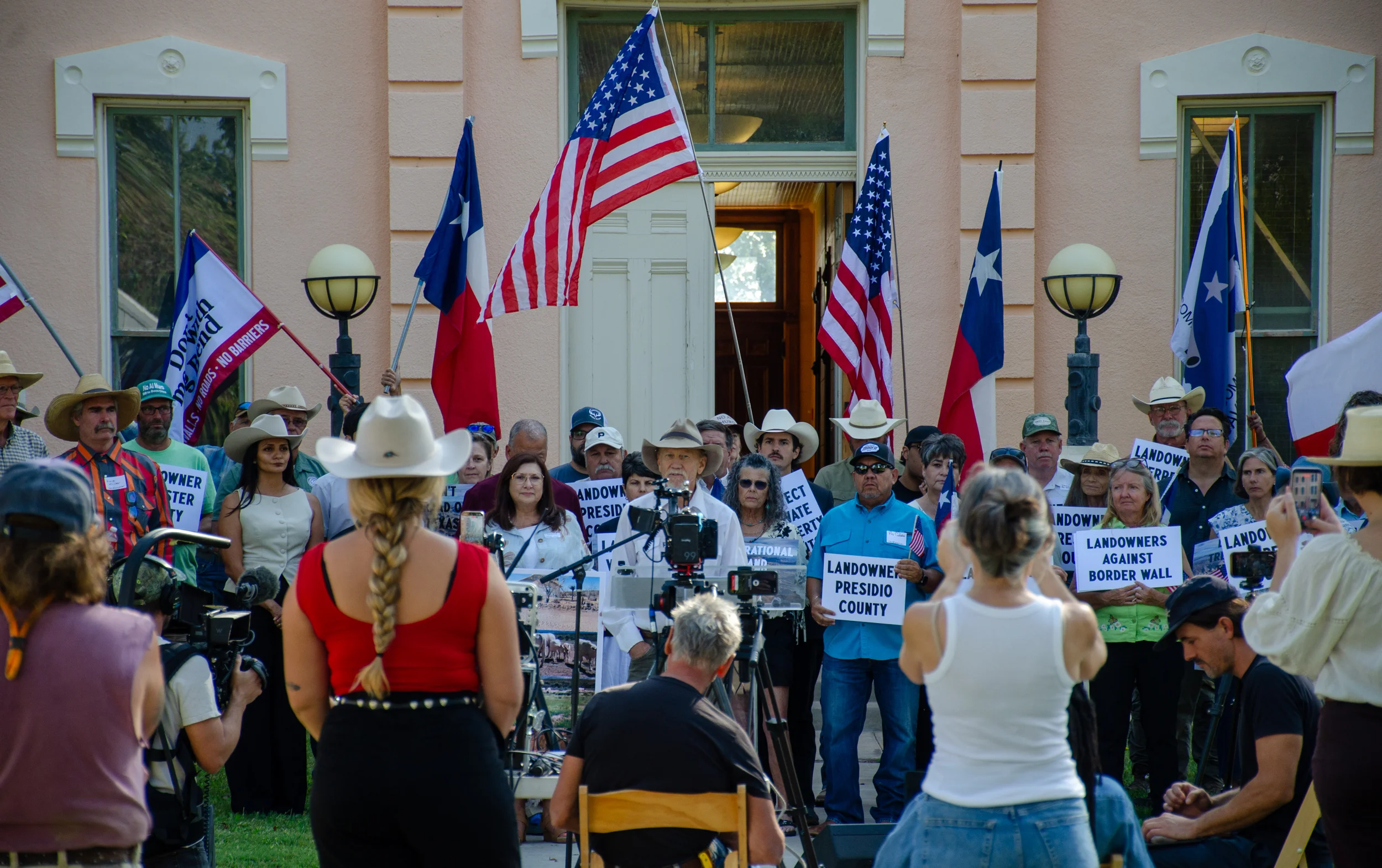 NPRThis piece reads center
“Supreme Court says border wall construction can continue in west Texas”
Read the original NYTThis piece reads center
“administration signaled it had adjusted construction plans”
Read the original UPIThis piece reads center
“The U.S. Supreme Court on Monday ruled that the Trump administration can”
Read the original- Washington PostThis piece reads center
“major part of Trump's border security project in Texas”
FramingDescribes the wall as part of a broader security project including roads, cameras and sensors, whereas most outlets focus primarily on the wall itself.
Read the original - The FederalistThis piece reads right
“SCOTUS Nukes Blockade On Trump's Border Wall”
Word choiceUses 'nukes' as an active verb describing the court's action, emphasizing decisive elimination of opposition, whereas other outlets use more neutral language like 'allows' or 'lifts.'
Read the original
Placements are generated by an AI model from each article’s own headline and summary, and every quotation above is checked to be a real substring of that article before it is published. How this is done
Prism is free and carries no advertising. Support it if it was useful.