Senate advances bipartisan energy permitting bill to speed infrastructure and power plant approvals
Reported by
A dot shows how that piece reads — Prism rates articles, not outlets, and shows the words behind each placement below. No dot means the piece isn’t rated. How the ratings work
What happened
The account the coverage agrees on, with contested figures attributed rather than asserted. This is not one of the five framings below — it is the ground they all stand on.
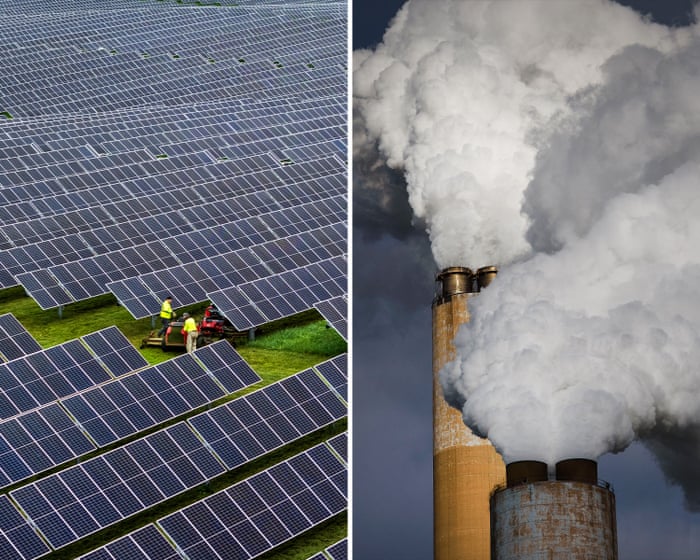
The Senate on Monday advanced bipartisan legislation to speed up permitting reviews for infrastructure projects including datacenters, pipelines, power lines, and other energy infrastructure. The bill, called the Bipartisan American Affordability and Jobs Act (Baaja), cleared a procedural hurdle with some Democratic and Republican opposition. Environmental groups opposed the measure over concerns it could accelerate datacenters and detention facilities.
How the spectrum reads this story
The same event, summarised as five points on the political spectrum would each tend to frame it. These are generated by an AI model and are a starting point, not the last word.
Left
This bill represents a capitulation to corporate interests and climate denial. By streamlining permitting, it will fast-track fossil fuel infrastructure and benefit tech giants seeking to expand energy-hungry datacenters while sidelining environmental review. That major environmental groups oppose it signals the greenwashing at work—the framing around 'clean energy' obscures a giveaway to polluters and surveillance infrastructure.
No article in this story reads this way. This is how the position tends to frame events like it — written by a model, not quoted from anyone.
Center-left
The bill tries to balance infrastructure needs with environmental concerns, but environmental advocates worry the permitting speedup comes without adequate protections. While some projects—renewables, grid modernization—deserve faster approval, the package's inclusion of pipelines and lack of binding environmental standards raises legitimate questions about whether we're sacrificing climate progress for construction timelines.
Drawn from 1 article placed here, below.
Center
Infrastructure permitting has genuinely become too slow, creating real costs and delays across sectors. This bill attempts a pragmatic fix by streamlining process without eliminating review—a reasonable middle ground. The fact that it's bipartisan suggests both sides recognize the problem. Environmental concerns deserve attention, but they shouldn't paralyze every project; the question is whether this particular compromise struck the right balance.
Drawn from 2 articles placed here, below.
Center-right
Permitting reform is essential to American competitiveness and energy independence. This bill advances critical projects that strengthen our grid and support economic growth, including the datacenters powering AI and innovation. The provision requiring datacenters to fund grid improvements ensures fiscal responsibility. Opposition from some environmental groups reflects ideological resistance to energy development generally, not serious concerns about this specific measure's safeguards.
Drawn from 2 articles placed here, below.
Right
No summary for this view yet.
No article in this story reads this way. This is how the position tends to frame events like it — written by a model, not quoted from anyone.
Hear two viewpoints debate it
Pick two viewpoints and Prism writes a short, six-turn exchange about this story in each one’s own voice — steel-manned, no winner declared. Each pairing is written once and then saved for every reader. The voices are AI syntheses of a tradition, not real people.
New pairing — Prism will write it now.
How each outlet covered it
Where Prism places each piece — not the outlet in general — with the words from that piece that put it there, and the photograph the outlet chose. Picking a photo is a framing decision too.
- The GuardianThis piece reads center-left
“Key environmental groups come out against bipartisan Baaja bill over fears”
FramingPlaces the vote in the context of electoral rejection of Trump, framing the bipartisan support as occurring despite Republican losses; other outlets treat the bill's bipartisan nature as its own frame without this political backdrop.
Read the original  Deseret NewsThis piece reads center
“Senate overcomes first obstacle to speed up energy projects”
Read the original The HillThis piece reads center
“clearing a key hurdle toward the measure becoming law”
Read the original- CNBCThis piece reads center-right
“force artificial intelligence companies and data center developers to pay their”
FramingAttributes the bill to Trump's backing in the headline, whereas the same bill appears in other outlets as a bipartisan measure without presidential attribution at the headline level.
Read the original 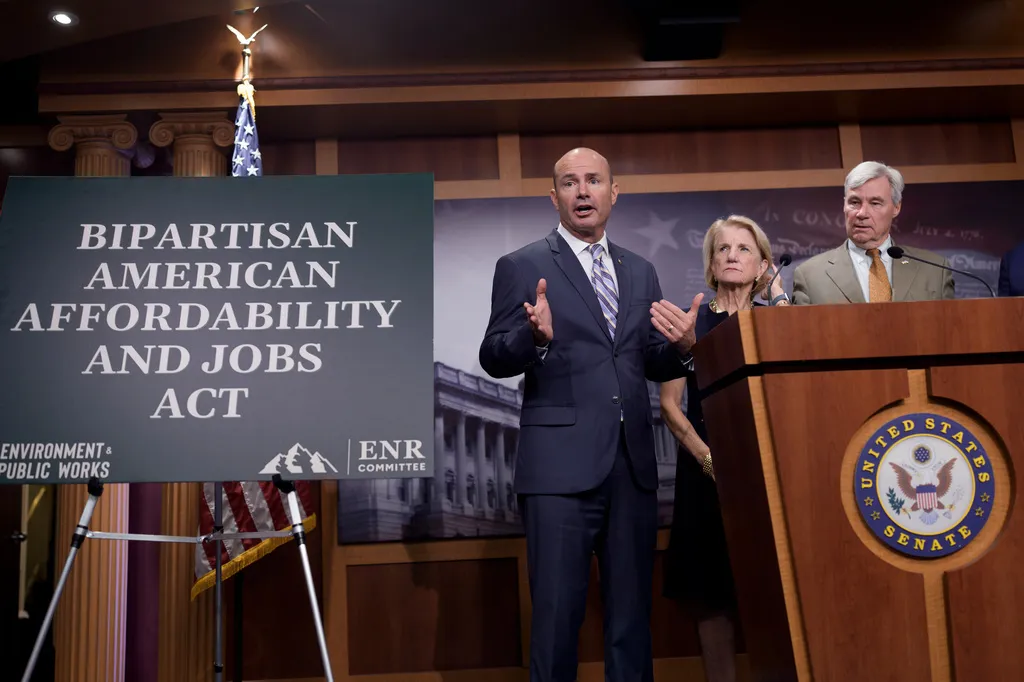 Washington ExaminerThis piece reads center-right
“arguably the most substantial bill signed by President Donald Trump”
FramingCharacterizes the bill's significance in terms of Trump's legislative record, emphasizing its magnitude for his presidency—a framing absent from other outlets, which treat it as infrastructure legislation without reference to Trump's accomplishments.
Read the original
Placements are generated by an AI model from each article’s own headline and summary, and every quotation above is checked to be a real substring of that article before it is published. How this is done
Prism is free and carries no advertising. Support it if it was useful.