Mitch McConnell returns to Senate after three-month medical absence from fall in June
Reported by
A dot shows how that piece reads — Prism rates articles, not outlets, and shows the words behind each placement below. No dot means the piece isn’t rated. How the ratings work
What happened
The account the coverage agrees on, with contested figures attributed rather than asserted. This is not one of the five framings below — it is the ground they all stand on.
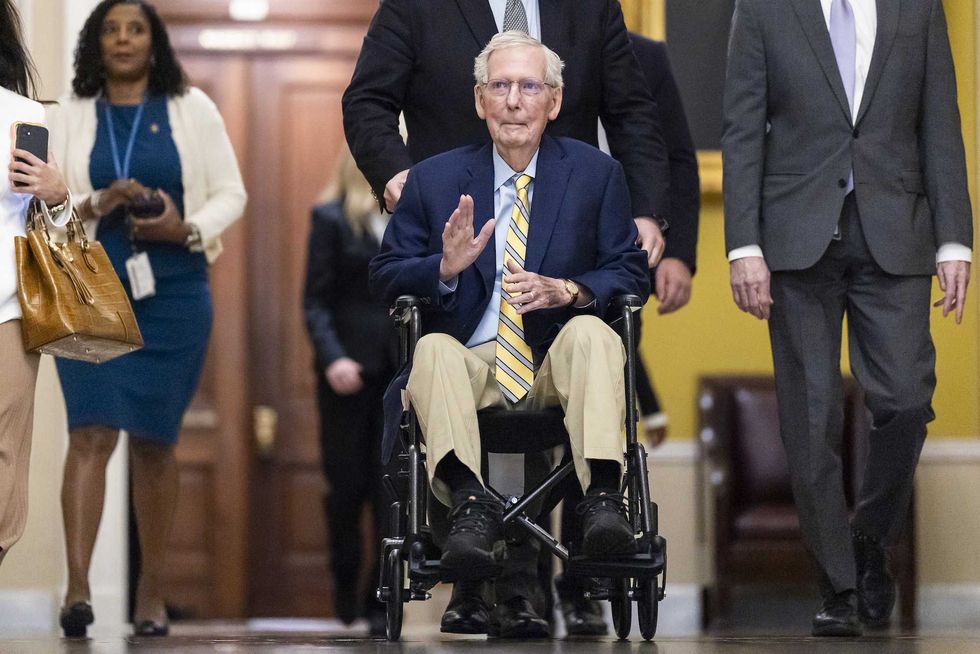
Sen. Mitch McConnell returned to the Senate on Monday and cast his first vote in nearly three months after being hospitalized in June following a fall that left him briefly unconscious. Roll Call reports he said: "My recovery has been a long and often frustrating process, and the lingering effects of childhood polio haven't made it any easier." He arrived in a wheelchair, according to Axios. The 84-year-old Kentucky Republican's absence had raised questions about his ability to serve, particularly given the slim Republican Senate majority.
How the spectrum reads this story
The same event, summarised as five points on the political spectrum would each tend to frame it. These are generated by an AI model and are a starting point, not the last word.
Left
McConnell's return highlights troubling questions about whether an 84-year-old senator dealing with serious health complications—compounded by effects from childhood polio—should continue in such a demanding role. His three-month absence demonstrates how individual circumstances can affect legislative capacity. This raises broader concerns about whether Congress adequately addresses succession planning and whether seniority-based leadership creates vulnerability when key figures become incapacitated. His return, while symbolically important to Republicans, shouldn't obscure questions about fitness for office and institutional succession.
Center-left
McConnell's return is significant for Democrats and the legislative process, as his absence created real uncertainty about Senate operations. His vote could indeed change outcomes on key bills like the farm bill, where the Republican majority is narrow enough that absences matter. While his health challenges deserve respect, his return also ends a period where questions about leadership succession and the Senate's ability to function were legitimate concerns. His continued presence should help move stalled legislation forward.
Center
McConnell's return after a serious fall and long recovery is a straightforward factual development with practical consequences. The Senate needed his vote because Republicans hold a slim majority, and his three-month absence created real legislative gridlock. His recovery and return are his personal achievement and his medical team's work. The Senate can now function more normally, though his ongoing health challenges are a legitimate consideration for voters in Kentucky about future representation—a decision that belongs with them, not Washington commentators.
Center-right
McConnell's return demonstrates Republican resilience and his personal determination to fulfill his duties to Kentucky and the Senate. Despite a serious fall and the complications of long-term recovery, he showed up to do the job his constituents elected him to do. His vote is critical to preventing the Democratic minority from blocking important legislation through procedural obstruction. His presence restores the Senate to proper functioning and shows that even at 84, with health challenges, he remains committed to serving. This resolves unfounded speculation from critics.
Right
McConnell's return is welcome, but his three-month absence reveals the problem with lifetime tenure in the Senate. While he deserves respect for his recovery and commitment, this incident raises legitimate questions about term limits and whether Congress should have mandatory retirement ages or health-based review processes. Leaders should be able to work without significant health constraints. Going forward, the Senate should consider structural reforms ensuring that vacancies and absences don't paralyze the chamber, and that leadership transitions happen smoothly without extended periods of uncertainty.
Hear two viewpoints debate it
Pick two viewpoints and Prism writes a short, six-turn exchange about this story in each one’s own voice — steel-manned, no winner declared. Each pairing is written once and then saved for every reader. The voices are AI syntheses of a tradition, not real people.
New pairing — Prism will write it now.
How each outlet covered it
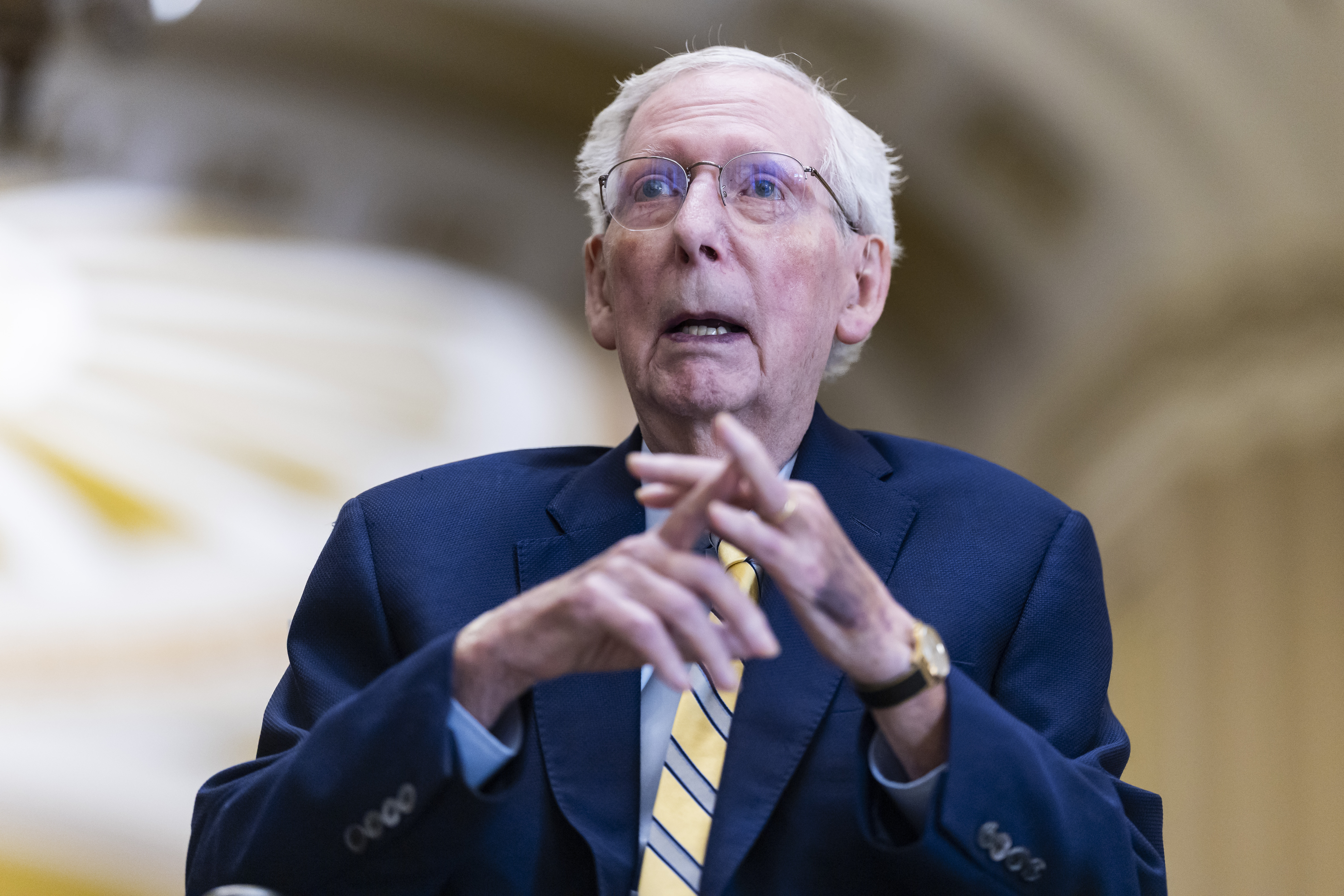
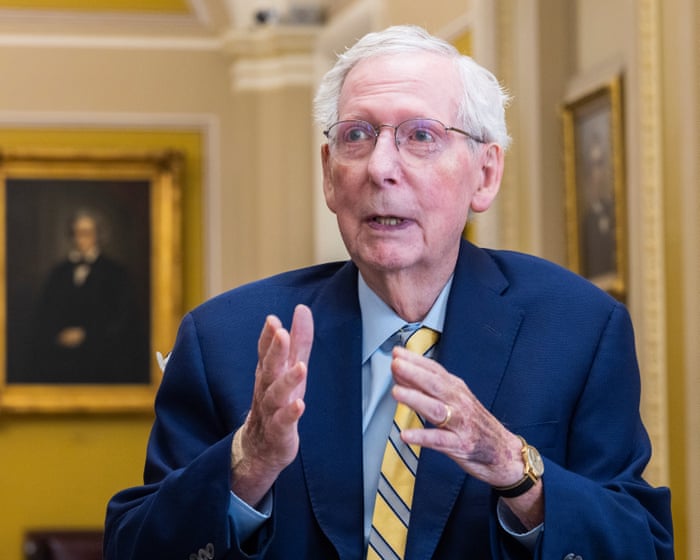
Where Prism places each piece — not the outlet in general — with the words from that piece that put it there, and the photograph the outlet chose. Picking a photo is a framing decision too.
- Washington Postnot ratedRead the original
 NPRnot ratedRead the original
 The GuardianThis piece reads center-left
“rampant speculation about his health”
FramingHighlights the media and public scrutiny surrounding his absence, framing it as a notable element of the story itself, whereas most outlets treat the return as the primary fact.
Read the original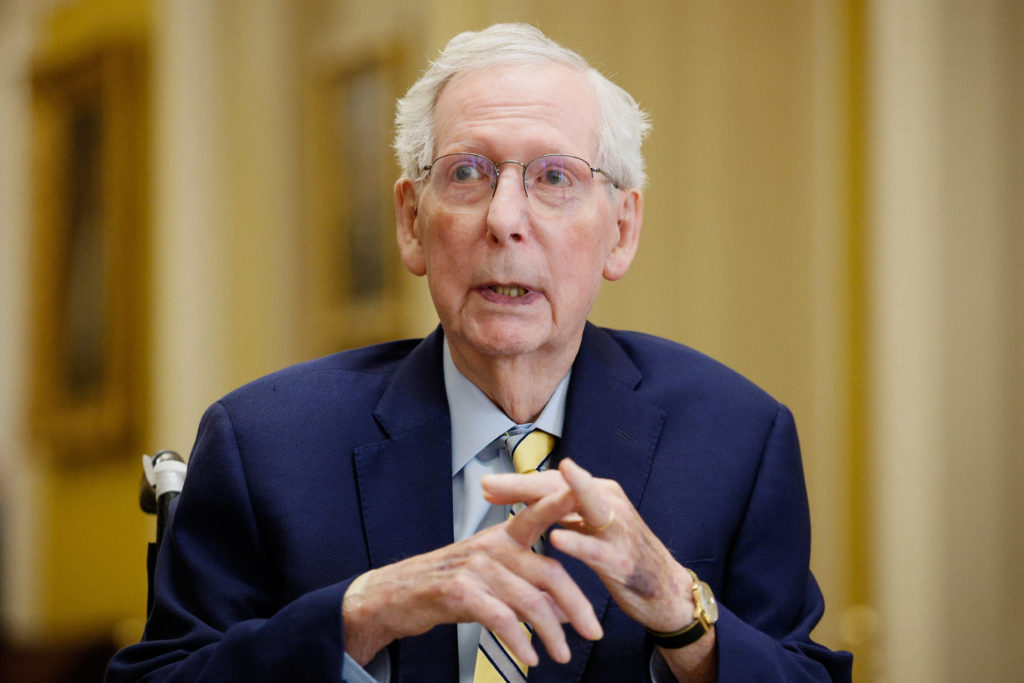 PBS NewsHournot rated
What's left outReports McConnell's age as 94, while CNBC and The Guardian state 84—a 10-year discrepancy that appears to be an error in the PBS source material.
Read the original The Daily CallerThis piece reads center
“Mitch McConnell Returns To Senate After Months Of Missed Votes”
Read the original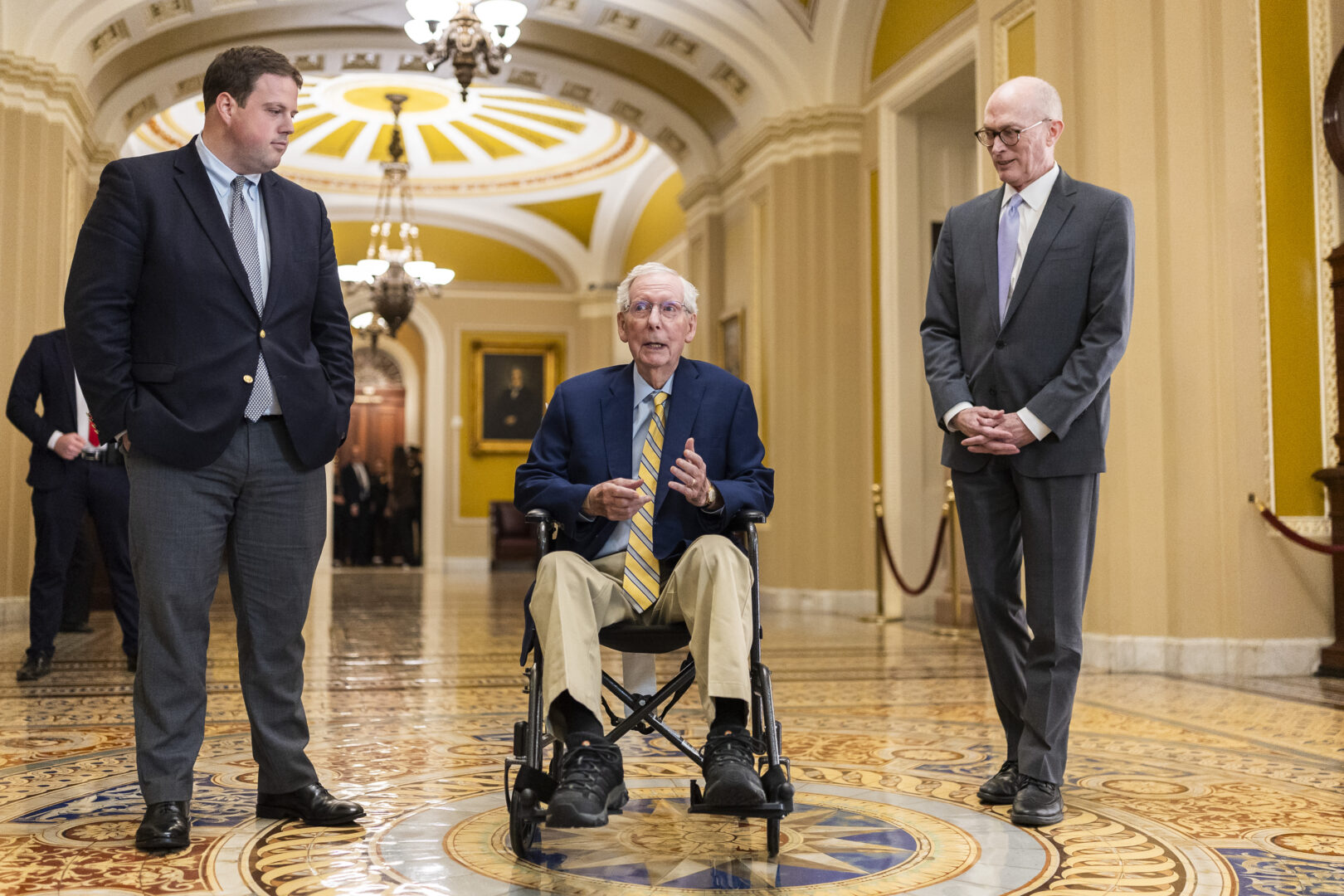 Roll CallThis piece reads center
“After lengthy absence, McConnell returns to Senate”
Read the original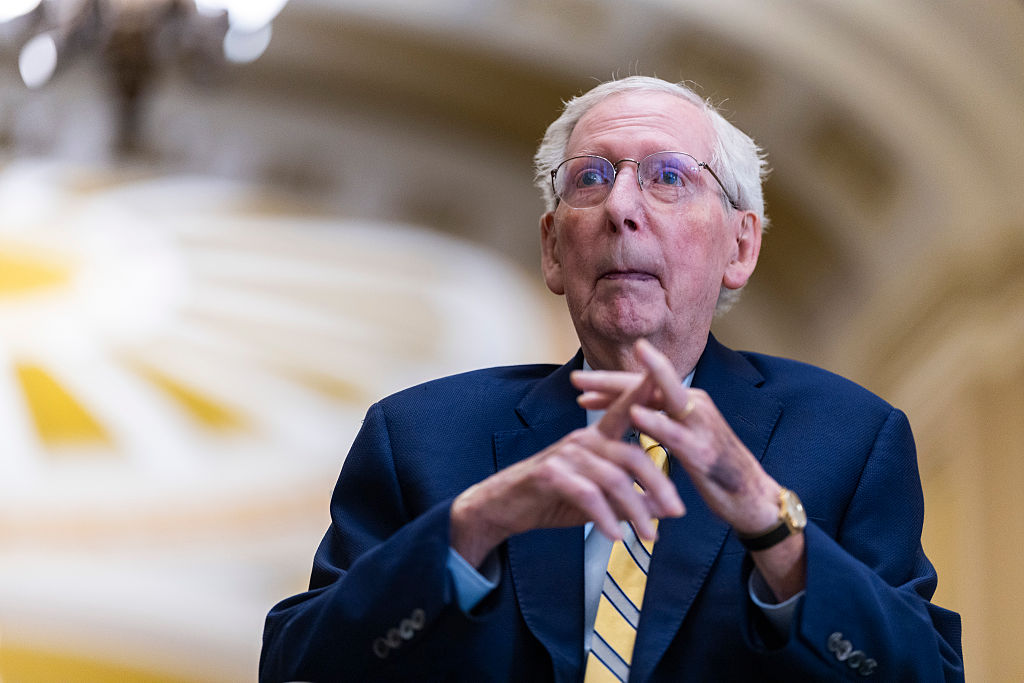 TimeThis piece reads center
“Mitch McConnell Returns to the Senate, Ending His Months-Long Absence”
Read the original- CNBCnot ratedRead the original
 UPInot ratedRead the original
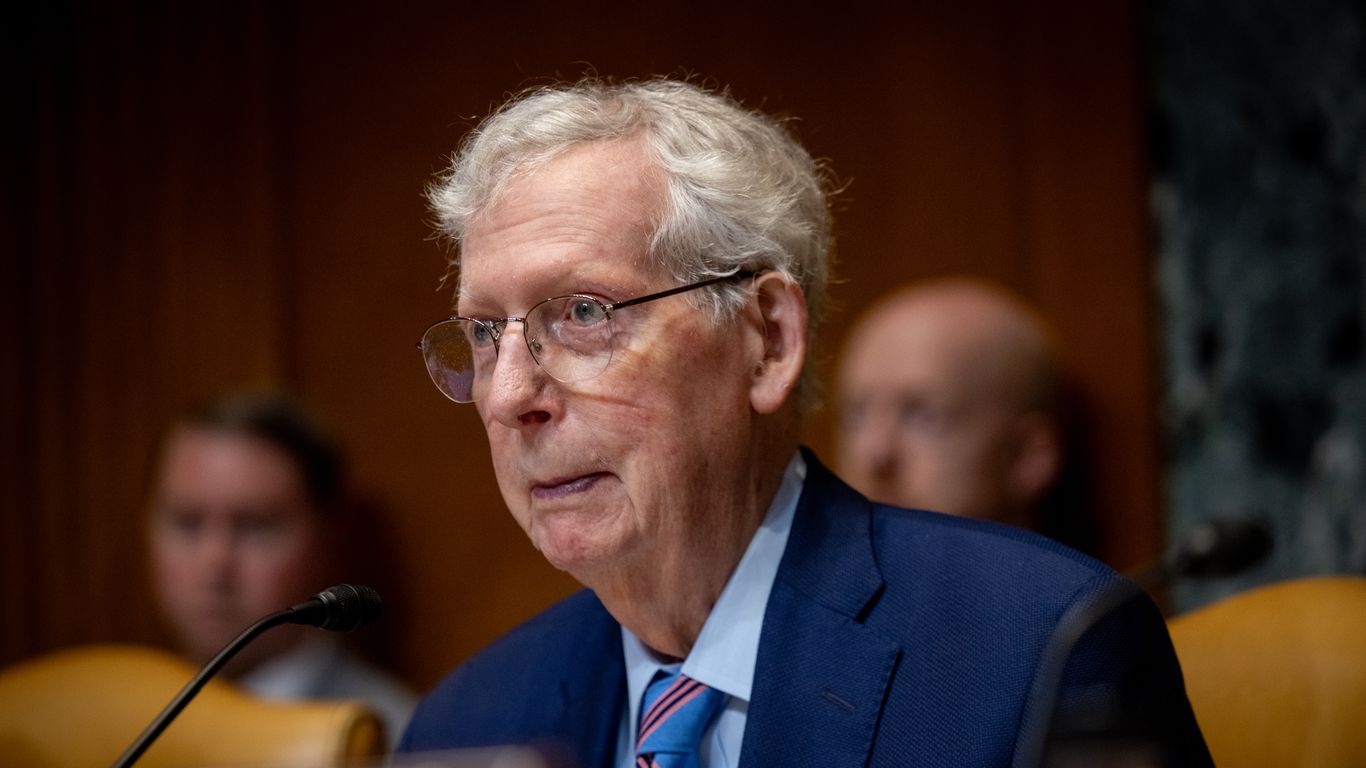 AxiosThis piece reads center
“McConnell arrived in a wheelchair and spoke briefly to reporters”
FramingEmphasizes the legislative stakes of his return by naming a specific stalled bill, where most outlets focus on his vote-casting ability more generally.
Read the original- The BlazeThis piece reads center-right
“He's alive! Mitch McConnell spotted at the Capitol”
Word choiceThe headline's 'He's alive!' uses colloquial exclamation rather than neutral reporting, creating an informal, almost relieved tone that differs from other outlets' straightforward language.
Read the original  RedStateThis piece reads center-right
“Commits to Being Available for the 'Tough' Votes”
Read the original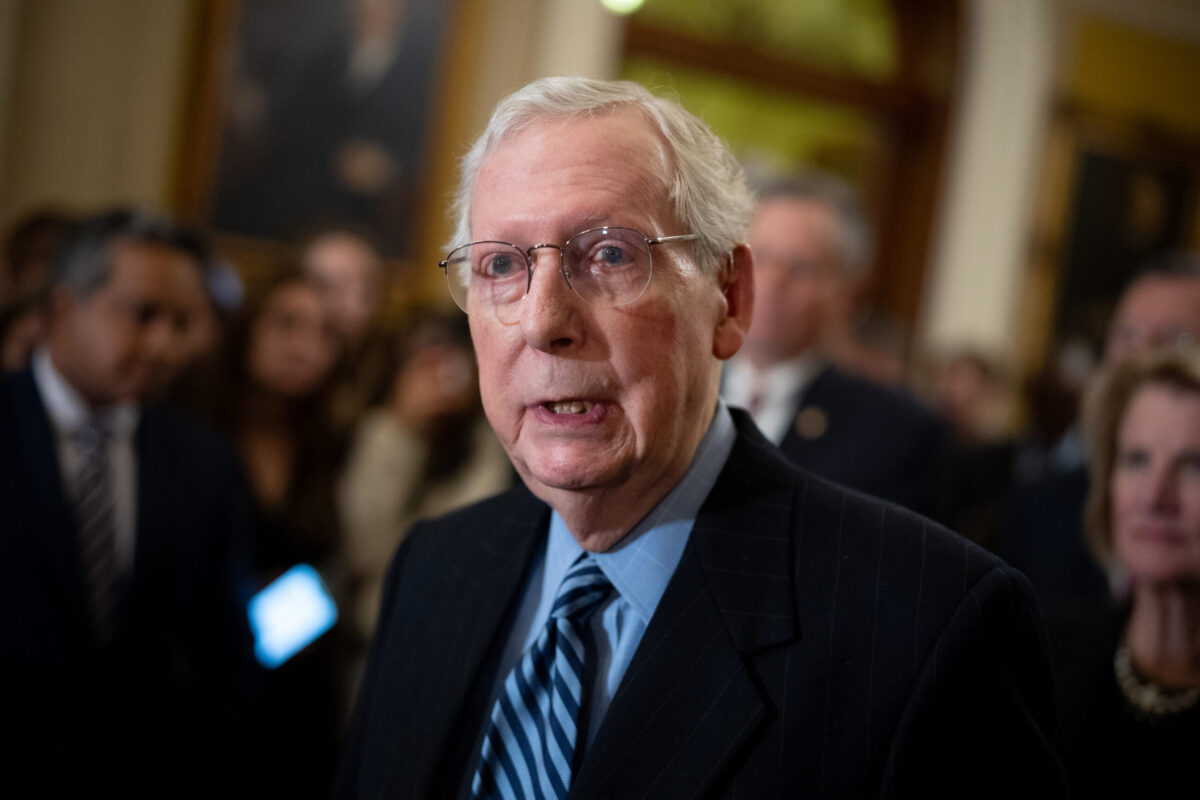 The Daily Wirenot ratedRead the original
Placements are generated by an AI model from each article’s own headline and summary, and every quotation above is checked to be a real substring of that article before it is published. How this is done
Prism is free and carries no advertising. Support it if it was useful.