Australian MP Helen Haines loses both legs after alleged intentional car attack by Brendan Nugent
Reported by
A dot shows how that piece reads — Prism rates articles, not outlets, and shows the words behind each placement below. No dot means the piece isn’t rated. How the ratings work
What happened
The account the coverage agrees on, with contested figures attributed rather than asserted. This is not one of the five framings below — it is the ground they all stand on.
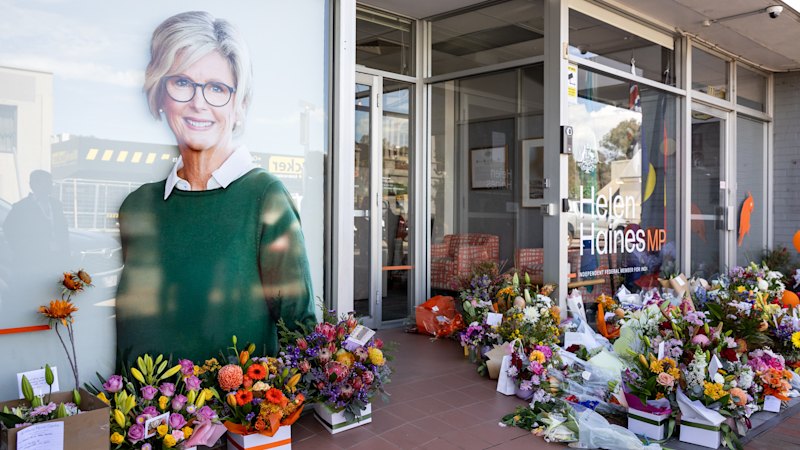
Australian independent MP Helen Haines was struck by a Toyota Land Cruiser outside her Wangaratta office in Victoria on Monday. She was pinned against her car and has had both legs amputated. Police arrested a man; outlets identify him as Brendan Nugent. Police are investigating the motivation, which they describe as needing to be explored. Haines remains in critical but stable condition in hospital.
How the spectrum reads this story
The same event, summarised as five points on the political spectrum would each tend to frame it. These are generated by an AI model and are a starting point, not the last word.
Left
An elected representative was targeted in a violent attack that has cost her both legs. This incident reflects the escalating political polarization and safety threats facing public servants, particularly women and those outside major parties. It underscores the need for better security measures and urgent examination of what drives such violence—whether it stems from extremist rhetoric, social fragmentation, or access to weapons. The community's response through vigils shows solidarity, but systemic changes are needed to protect those in public life.
No article in this story reads this way. This is how the position tends to frame events like it — written by a model, not quoted from anyone.
Center-left
Helen Haines, an independent MP, suffered catastrophic injuries in an attack outside her office. The incident raises serious concerns about the safety of elected representatives and the climate of political discourse. While details about motivation are still emerging, politicians are rightfully bringing safety concerns to security officials. The community's vigil response reflects a desire to support her and reject violence, and investigators need to understand what prompted this attack to prevent similar incidents.
Drawn from 1 article placed here, below.
Center
An independent MP was hit by a vehicle outside her office, resulting in amputation of both legs. She is in critical but stable condition. A man has been arrested and police are investigating his motivation. The incident has prompted politicians to raise safety concerns with security officials and sparked vigils in the community. The facts of what happened are clear; the causes and broader implications will become clearer as the investigation proceeds. Both supporting the victim and understanding what drove the attacker are important.
Drawn from 5 articles placed here, below.
Center-right
A sitting MP was struck by a vehicle in what police are treating as an intentional attack, resulting in severe injuries requiring amputation of both legs. A suspect is in custody. While the investigation is ongoing, it's important to establish the facts about motivation without premature speculation. Security for elected representatives is a practical concern that should be addressed. The community's response has been appropriate, and the focus should remain on supporting the victim and ensuring a thorough, impartial investigation.
No article in this story reads this way. This is how the position tends to frame events like it — written by a model, not quoted from anyone.
Right
An Australian MP was hit by a car in an attack outside her office, losing both legs. A man has been arrested. Police are investigating his motivation. It's crucial that this investigation proceed fairly and that we learn the actual facts before attributing causes or drawing broader conclusions. Security for public figures is a legitimate concern, but so is ensuring the accused receives due process. Rushed judgment or politicization of the incident would serve no one; the focus should be on the investigation and the victim's recovery.
No article in this story reads this way. This is how the position tends to frame events like it — written by a model, not quoted from anyone.
Hear two viewpoints debate it
Pick two viewpoints and Prism writes a short, six-turn exchange about this story in each one’s own voice — steel-manned, no winner declared. Each pairing is written once and then saved for every reader. The voices are AI syntheses of a tradition, not real people.
New pairing — Prism will write it now.
How each outlet covered it
Where Prism places each piece — not the outlet in general — with the words from that piece that put it there, and the photograph the outlet chose. Picking a photo is a framing decision too.
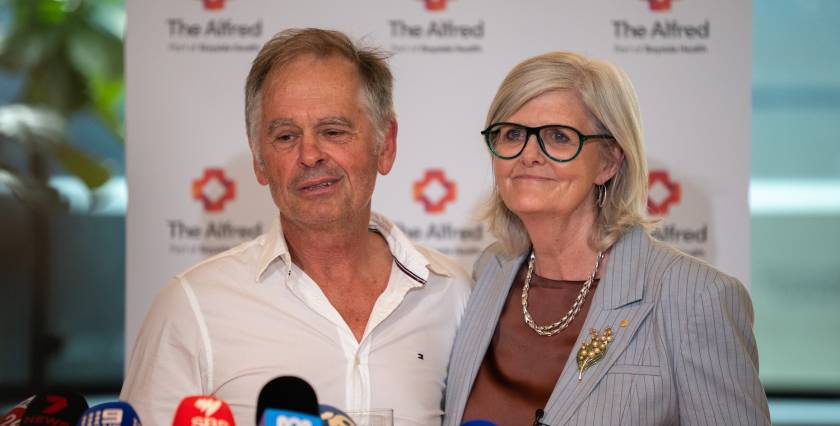
- Sydney Morning HeraldThis piece reads center
“rolling updates on this evolving story”
Read the original 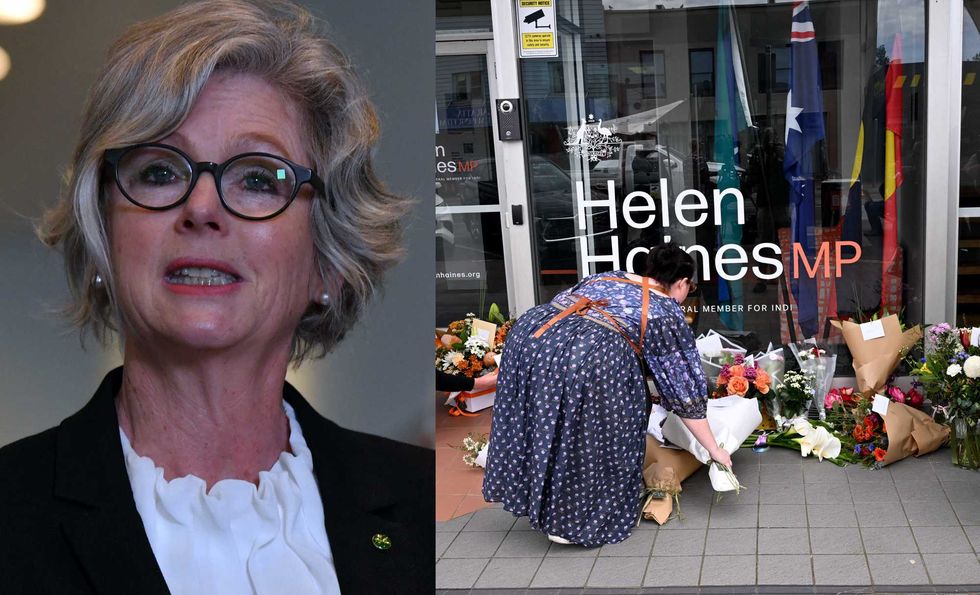 The BlazeThis piece reads center
“police investigate motivation”
Word choiceUses scare quotes around 'intentional' where other outlets state it plainly—the punctuation reads as doubt that the attack was deliberate, even though police are investigating it as such.
Read the original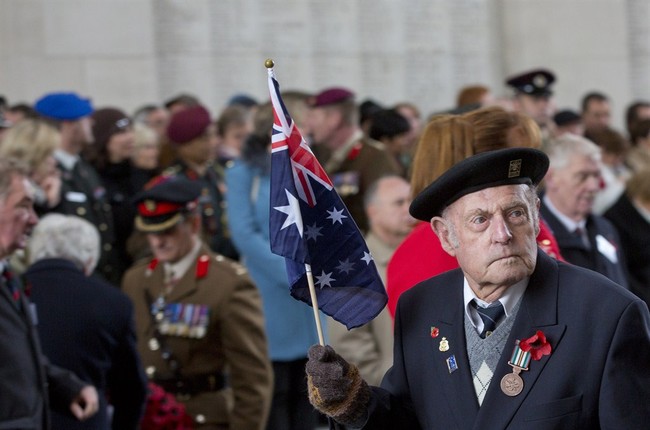

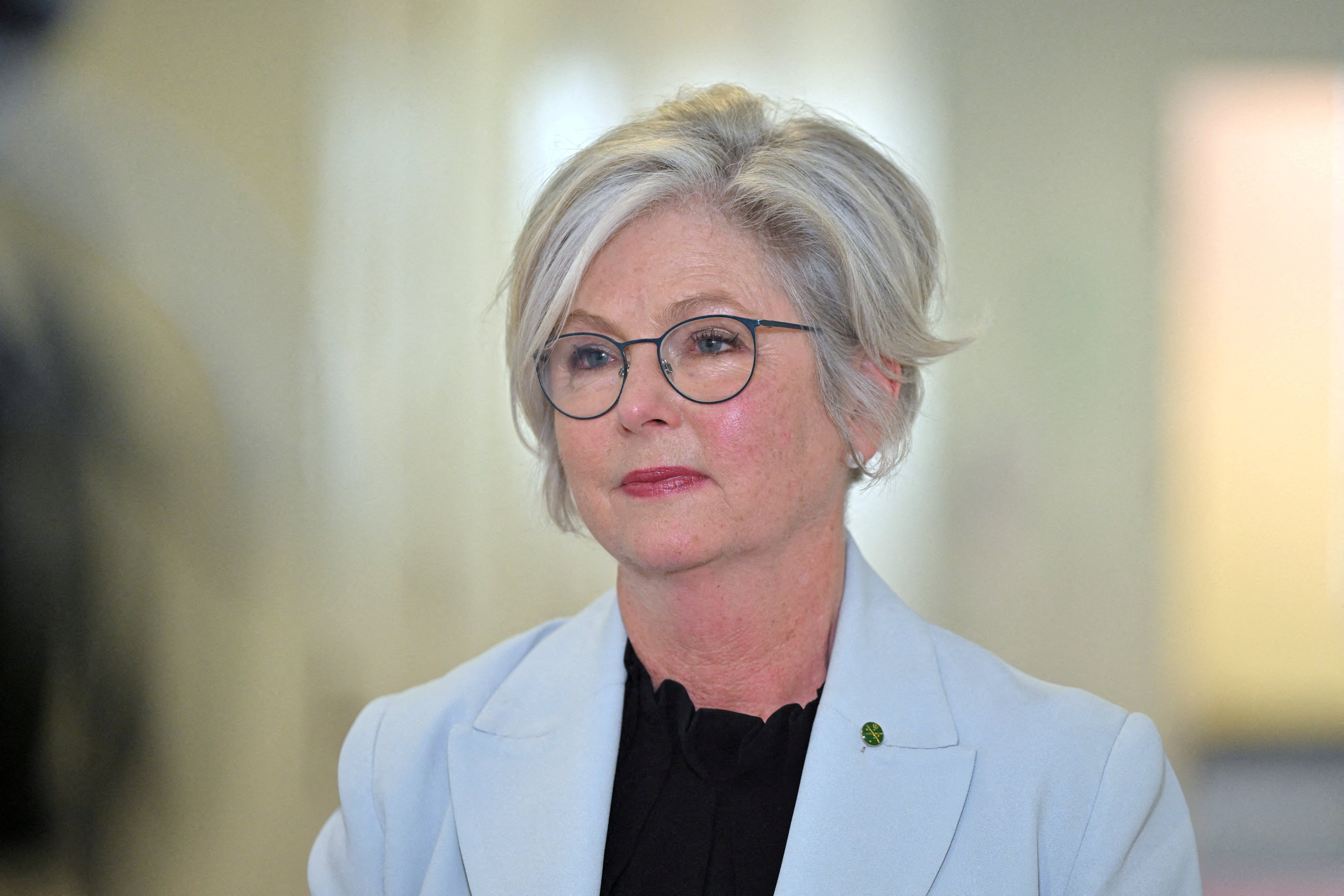 The NationalThis piece reads center
“ramming 'attack”
Word choicePlaces 'attack' in scare quotes while other outlets use it without qualification—creates ambiguity about whether what happened should be characterized as an attack.
Read the original
Placements are generated by an AI model from each article’s own headline and summary, and every quotation above is checked to be a real substring of that article before it is published. How this is done
Prism is free and carries no advertising. Support it if it was useful.