Federal judge blocks Trump administration's border wall construction in Texas' Big Bend National Park
Reported by
A dot shows how that piece reads — Prism rates articles, not outlets, and shows the words behind each placement below. No dot means the piece isn’t rated. How the ratings work
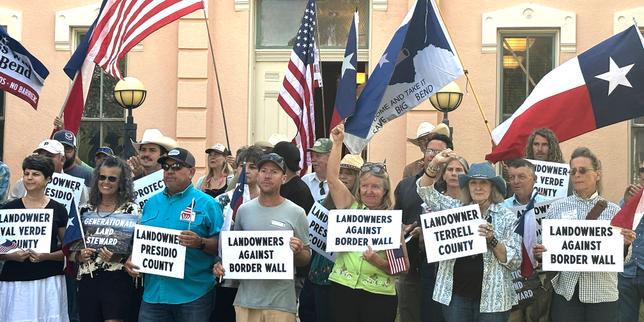
What happened
The account the coverage agrees on, with contested figures attributed rather than asserted. This is not one of the five framings below — it is the ground they all stand on.
A federal judge on Friday temporarily blocked the Trump administration from constructing border barriers, roads, and related infrastructure in Big Bend National Park in Texas. The $1.7 billion project had waived dozens of environmental and other laws. Opposition crossed party lines, uniting environmentalists, landowners, and other Texans, leading to lawsuits from environmental groups.
How the spectrum reads this story
The same event, summarised as five points on the political spectrum would each tend to frame it. These are generated by an AI model and are a starting point, not the last word.
Left
This ruling represents a crucial check on executive overreach and corporate disregard for the environment. The Trump administration attempted to bulldoze through sacred protections—environmental laws, public lands, Indigenous concerns—to serve a political campaign promise. The court's decision affirms that not all government orders override citizens' rights or ecological necessity. However, this is only a temporary block; true protection requires Congress to restore the waived statutes and reject the militarization of public lands as border policy.
Center-left
The court has rightfully halted a project that sacrificed environmental protection and community interests for an ideological priority. The administration's decision to waive environmental laws to fast-track construction was excessive and bypassed proper review. This ruling protects both the natural resources and the democratic process by ensuring that major projects in national parks receive judicial scrutiny. The broad opposition—from both environmental and local stakeholders—demonstrates this approach lacks public support.
Center
The ruling reflects the courts' appropriate role in checking executive action when proper procedures are bypassed. The administration's waiver of environmental laws raised legitimate legal questions worth settling in court. Local communities deserve voice in decisions affecting their land and livelihoods, particularly on federal property. However, border security remains a valid government interest; the outcome here is a temporary injunction requiring further legal process, not a final answer to whether border barriers in this region are permissible overall.
Center-right
This decision pauses a border security initiative through judicial intervention, which raises questions about balancing national security with other concerns. The administration had legal authority to expedite the project, and border protection is a core federal responsibility. That said, the court found sufficient legal grounds to require a more thorough review, suggesting the government's approach to waivers overreached. Future work on border security in this region will need to proceed through proper legal channels and address environmental and community concerns directly.
Right
The courts have again blocked a straightforward exercise of executive power to secure the border, one of the president's fundamental duties. Environmental law, while worthy of respect, should not paralyze national defense when properly balanced. The administration followed available legal authorities to expedite a necessary project. That a temporary injunction has halted it shows how litigation and activist judges can frustrate the government's ability to act decisively on its core responsibilities, even when those responsibilities enjoy broad support among citizens who actually live on the border.
Hear two viewpoints debate it
Pick two viewpoints and Prism writes a short, six-turn exchange about this story in each one’s own voice — steel-manned, no winner declared. Each pairing is written once and then saved for every reader. The voices are AI syntheses of a tradition, not real people.
New pairing — Prism will write it now.
How each outlet covered it
Where Prism places each piece — not the outlet in general — with the words from that piece that put it there, and the photograph the outlet chose. Picking a photo is a framing decision too.
- HuffPostThis piece reads center-left
“marks a major win for landowners, businesses and environmentalists”
Read the original 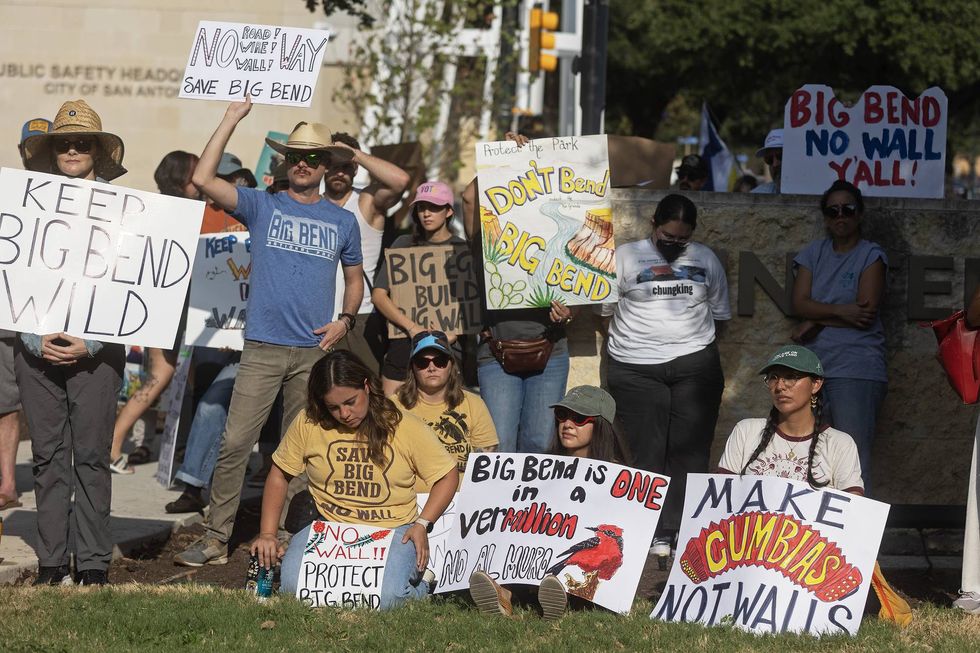 Common DreamsThis piece reads center-left
“Historic Victory': Judge Blocks Trump's Big Bend Border Construction”
Word choiceFrames the ruling as 'historic' and a 'victory,' language that emphasizes significance and triumph for the opposition. Other outlets use neutral terms like 'blocked' or 'halted' without evaluative framing.
Read the original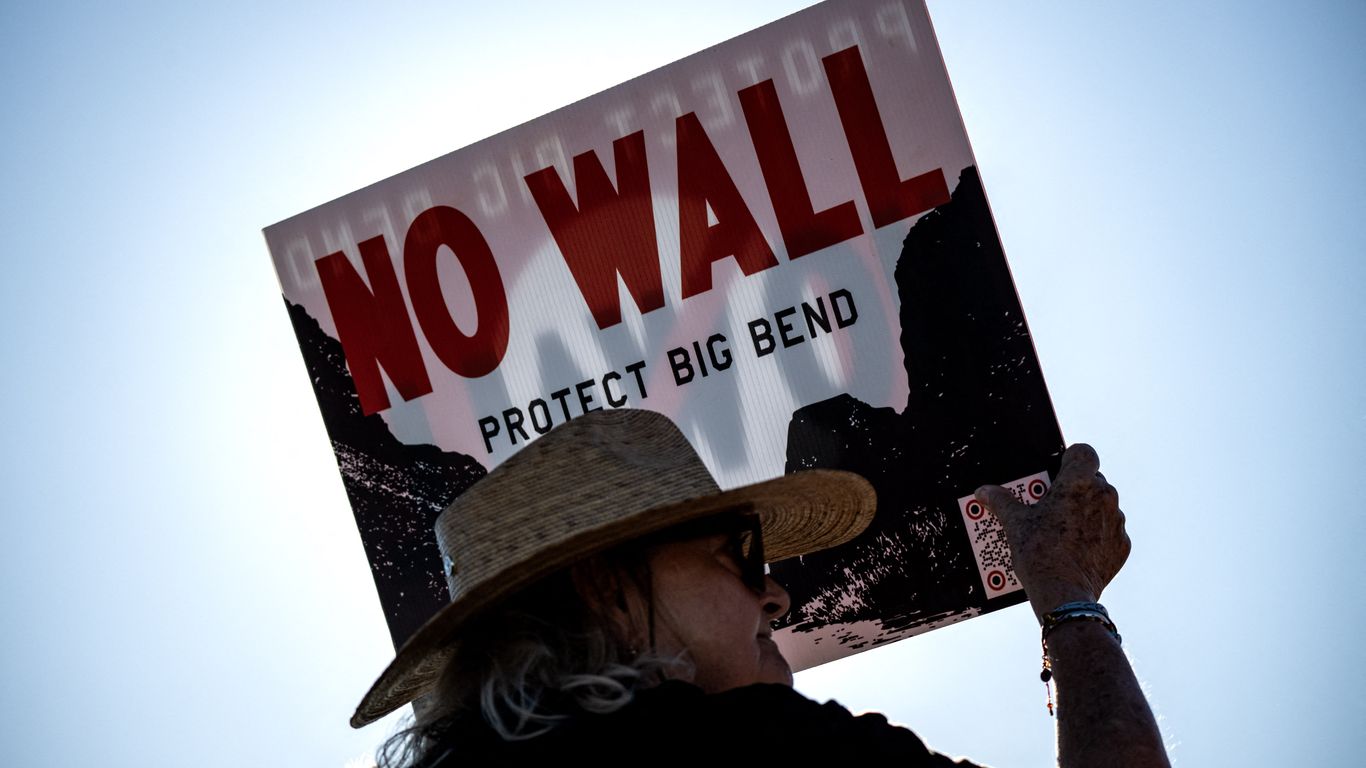 Axiosnot ratedRead the original
 The GuardianThis piece reads center-left
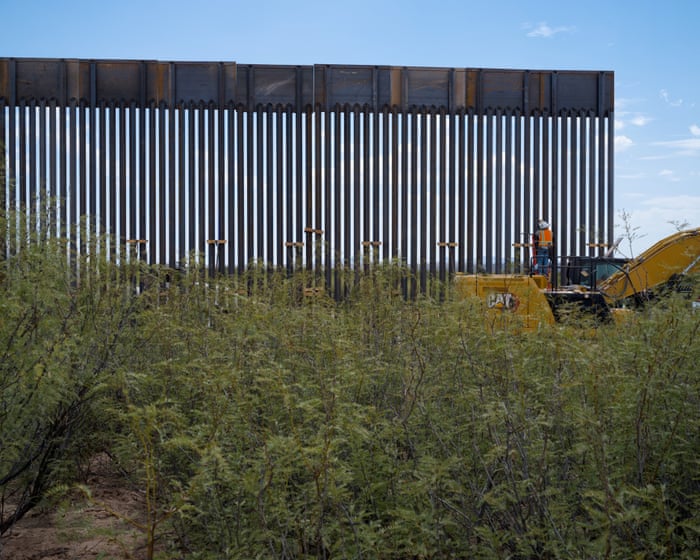
“blow to Trump agenda”
Word choiceCharacterizes the ruling as a 'blow,' framing it primarily as damage to the Trump administration's plans. Other outlets describe it as a court decision or procedural outcome without this adversarial language.
Read the original- Le MondeThis piece reads center
“Judge blocks Trump administration from restarting border construction”
Read the original  UPIThis piece reads center
“A federal judge on Friday ruled against the Trump administration's plan”
Read the original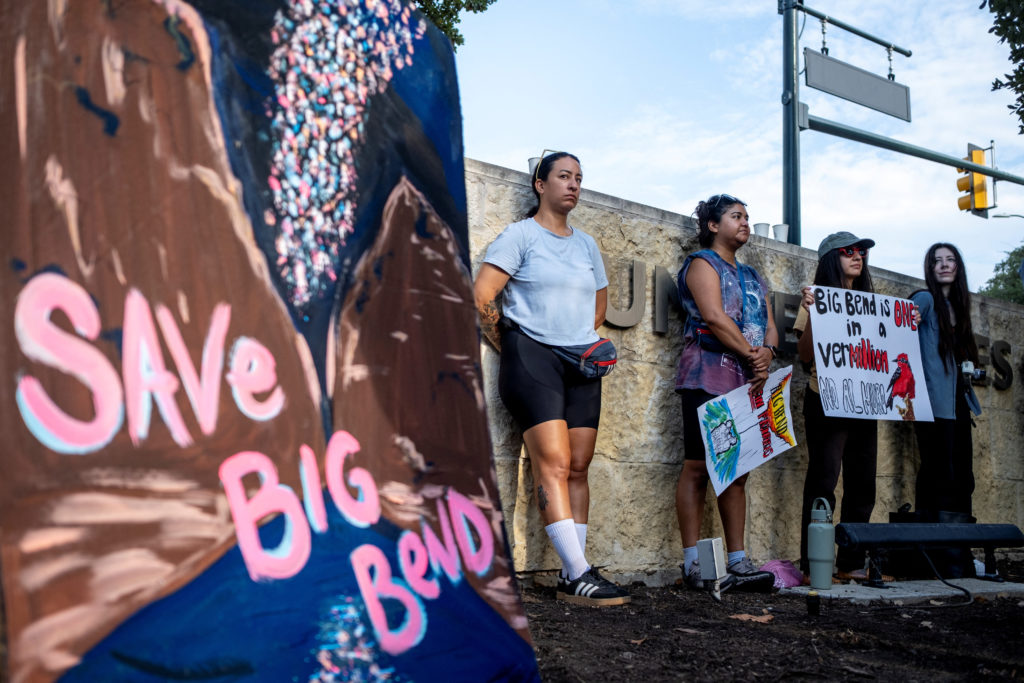 PBS NewsHourThis piece reads center
“A federal court in Texas on Friday issued a ruling temporarily blocking”
FramingNames the ruling explicitly as 'a victory' and connects it to opposition to 'a key campaign promise,' giving interpretive weight beyond the legal holding itself.
Read the original
Placements are generated by an AI model from each article’s own headline and summary, and every quotation above is checked to be a real substring of that article before it is published. How this is done
Prism is free and carries no advertising. Support it if it was useful.