Michigan Democrat Haley Stevens endorses Republican Mike Rogers for Senate
Reported by
A dot shows how that piece reads — Prism rates articles, not outlets, and shows the words behind each placement below. No dot means the piece isn’t rated. How the ratings work
What happened
The account the coverage agrees on, with contested figures attributed rather than asserted. This is not one of the five framings below — it is the ground they all stand on.
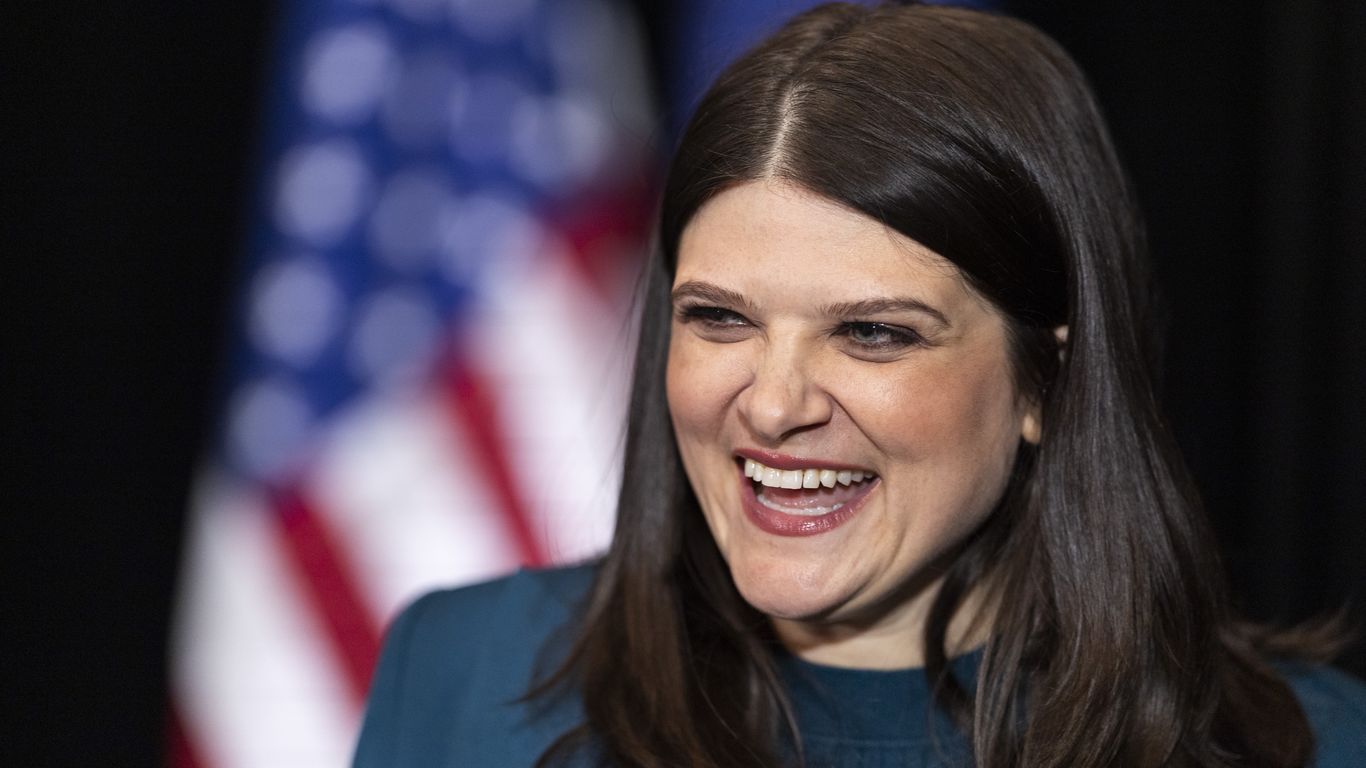
Rep. Haley Stevens (D-Mich.), who lost the Democratic Senate primary to Abdul El-Sayed, endorsed Republican Mike Rogers on Sunday, two days before the general election. Stevens and El-Sayed had feuded publicly in recent weeks, with Stevens objecting to a campaign ad she said was anti-Semitic. Stevens had previously committed to supporting the Democratic ticket.
How the spectrum reads this story
The same event, summarised as five points on the political spectrum would each tend to frame it. These are generated by an AI model and are a starting point, not the last word.
Left
Stevens' endorsement of a Republican exposes real divisions within the Democratic coalition over Israel and Gaza. El-Sayed's progressive positions on the conflict cost him the primary despite grassroots support, and Stevens' crossover endorsement reflects how thoroughly establishment Democrats have marginalized voices critical of Israeli policy. The party's failure to bridge this gap—and Stevens' willingness to hand a Senate seat to Republicans over it—shows a party fracturing over its most important moral question.
No article in this story reads this way. This is how the position tends to frame events like it — written by a model, not quoted from anyone.
Center-left
Stevens' endorsement is a significant blow to El-Sayed's campaign at a crucial moment, signaling deep fractures within Michigan Democrats over Israel policy and campaign conduct. While primary losses are common, Stevens' decision to back a Republican rather than support her party's nominee suggests the dispute went beyond normal disagreement. Democrats need to address these divisions to maintain unity in competitive races, especially when control of the Senate is at stake.
Drawn from 5 articles placed here, below.
Center
Stevens' endorsement reflects genuine policy disagreements within the Democratic Party that primary elections sometimes fail to resolve. Both the primary fight over Israel and Stevens' final decision to back Rogers are real costs of intra-party feuding. The outcome demonstrates that when candidates alienate significant constituencies—here, pro-Israel Democrats—those voters may sit out or defect, which happens across both parties when nominees don't represent their wing.
Drawn from 8 articles placed here, below.
Center-right
A sitting Democratic congresswoman felt her party's nominee was so unacceptable that she endorsed his Republican opponent. Whether over Israel policy, campaign tactics, or both, Stevens evidently concluded Rogers better represented Michigan values than El-Sayed. Her willingness to cross party lines suggests serious concerns about El-Sayed's fitness for office and shows that party loyalty has limits when core principles are at stake.
No article in this story reads this way. This is how the position tends to frame events like it — written by a model, not quoted from anyone.
Right
A Democratic representative abandoned her party to endorse a Republican, an extraordinary act that exposes how radically the Democratic Party has shifted on Israel and on basic political conduct. Stevens objected to what she saw as an anti-Semitic campaign ad from her party's own nominee, then chose the Republican as the only acceptable alternative. This is a damning indictment of where the Democratic Party has gone when one of its own members cannot in good conscience support its Senate candidate.
Drawn from 1 article placed here, below.
Hear two viewpoints debate it
Pick two viewpoints and Prism writes a short, six-turn exchange about this story in each one’s own voice — steel-manned, no winner declared. Each pairing is written once and then saved for every reader. The voices are AI syntheses of a tradition, not real people.
New pairing — Prism will write it now.
How each outlet covered it
Where Prism places each piece — not the outlet in general — with the words from that piece that put it there, and the photograph the outlet chose. Picking a photo is a framing decision too.
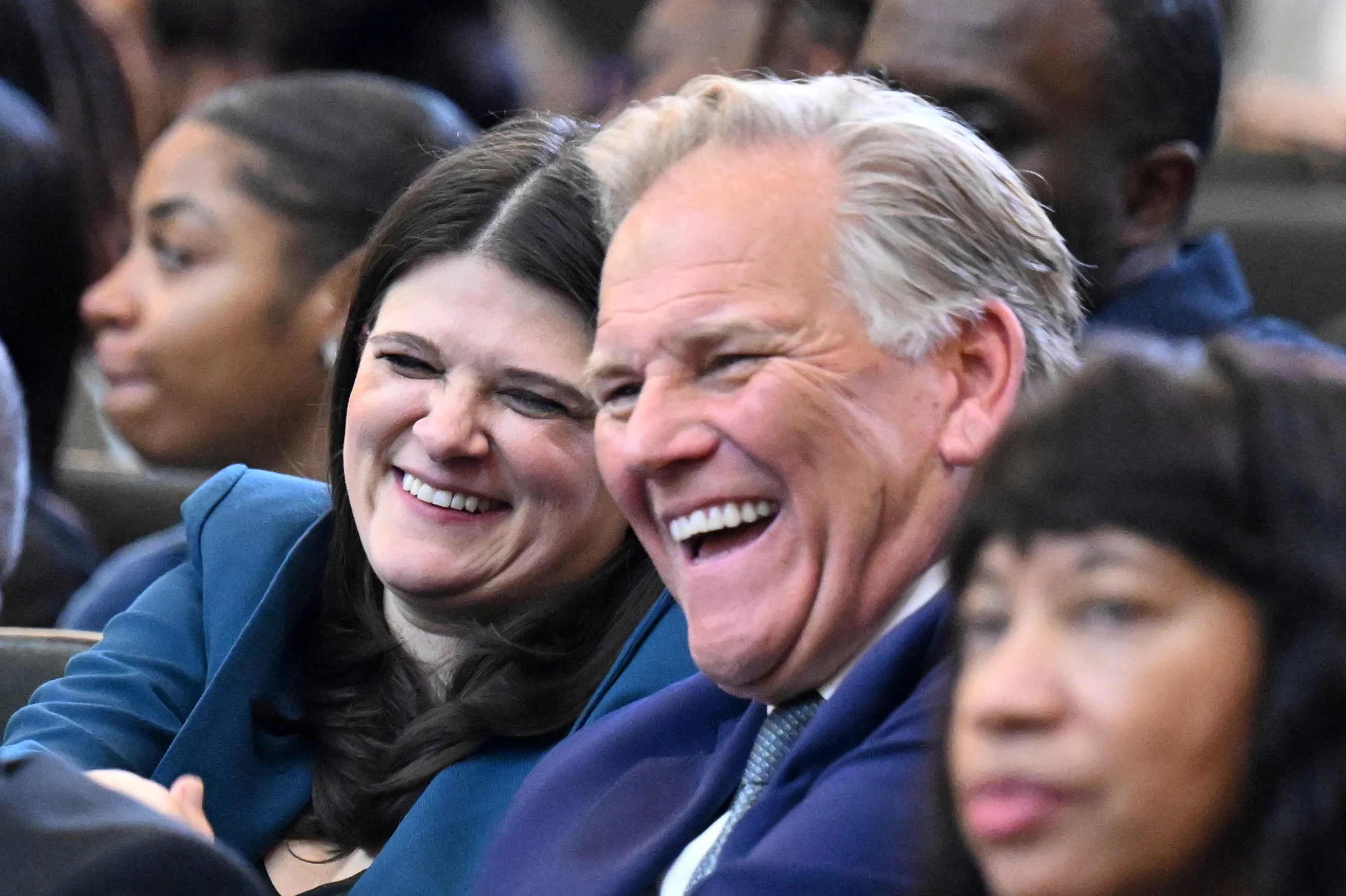 NPRThis piece reads center-left
“spurning Abdul El-Sayed”
Word choiceUses 'Instead' to emphasize the abandonment of an expected action (the unity event and Democratic support), making the endorsement feel like a deliberate break rather than a policy disagreement.
Read the original Financial TimesThis piece reads center-left
“Unity between Democratic progressives and moderates collapses”
FramingFrames the endorsement as symptomatic of a broader ideological breakdown in the party, whereas most outlets treat it as a personal feud or campaign maneuver.
Read the original

- CBS NewsThis piece reads center-left
“had previously said she was supporting the Democratic ticket”
Read the original - AxiosThis piece reads center
“gives Rogers a striking photo op as his party tries to peel away Black and”
Read the original 

- The American ConservativeThis piece reads centerHeadline changed after publishing
Headline changed from: Democrat Haley Stevens Endorses Republican Mike Rogers for Senate. To: In Last-Minute Defection, Democrat Stevens Endorses Republican Rogers in Michigan Senate Race.
SpectrumCenter→Center-leftPrism reads the rewritten headline as center-left, where the original read center.
“had lost the Michigan Democratic Senate primary”
Read the original  Roll CallThis piece reads center
“a startling development in a race that could help decide control of the chamber”
Read the original ABC NewsThis piece reads center
“Stevens said was anti-Semitic”
FramingSpecifies the ad dispute as explicitly about antisemitism, a detail that contextualizes Stevens' objection as a serious moral claim rather than a routine campaign criticism.
Read the original Straight Arrow NewsThis piece reads center
“following a fallout with Democratic nominee”
Read the original- The Jerusalem PostThis piece reads right
“further exacerbated the growing fracture between Zionist Jewish communities and”
Word choiceLabels Stevens by her Israel stance in the headline itself, emphasizing her identity on that issue where other outlets identify her simply as a Democratic representative or congresswoman.
Read the original

Placements are generated by an AI model from each article’s own headline and summary, and every quotation above is checked to be a real substring of that article before it is published. How this is done
Prism is free and carries no advertising. Support it if it was useful.