Rhode Island Governor Dan McKee loses Democratic primary to Helena Foulkes and CVS executive
Reported by
A dot shows how that piece reads — Prism rates articles, not outlets, and shows the words behind each placement below. No dot means the piece isn’t rated. How the ratings work

What happened
The account the coverage agrees on, with contested figures attributed rather than asserted. This is not one of the five framings below — it is the ground they all stand on.
Rhode Island Gov. Dan McKee lost the Democratic primary on Wednesday to former CVS executive Helena Foulkes with roughly 80% of votes counted. Foulkes led 62.5% to 37.5%. McKee is the first sitting governor nationwide to lose a primary in eight years. NBC News cited voter discontent with his tenure and a significant spending disadvantage; Politico noted a political crisis around a bridge that McKee failed to manage.
How the spectrum reads this story
The same event, summarised as five points on the political spectrum would each tend to frame it. These are generated by an AI model and are a starting point, not the last word.
Left
McKee's primary defeat reflects legitimate voter rejection of Democratic leadership that failed to address working people's real concerns—a bridge crisis that endangered the public, fiscal mismanagement, and a governor who lost touch with his base. Foulkes, despite her corporate background, galvanized grassroots discontent where McKee had become complacent. This is democracy working: when an incumbent loses touch, voters have the power to demand better, and primary voters exercised it decisively.
Center-left
McKee's loss signals the limits of incumbent advantage when a governor faces accumulated grievances. Foulkes mounted an effective challenge on both fiscal stewardship and the bungled bridge crisis, gaining ground despite McKee's institutional resources. This is a significant primary upset—the first gubernatorial primary loss in eight years—but reflects normal democratic turnover when an incumbent's record erodes voter confidence rather than any structural shift in Rhode Island politics.
Center
McKee's defeat shows that incumbency alone cannot protect a governor facing multiple headwinds: poor handling of a high-profile infrastructure crisis, voter frustration with his stewardship, and an opponent with credible business credentials who could appeal to both progressive and pragmatic voters. Primary voters in a solid blue state have the luxury of demanding higher performance from their incumbent, and they did. Whether Foulkes can consolidate that coalition against a Republican opponent remains to be seen.
Center-right
McKee's primary loss demonstrates that voters will hold even Democratic governors accountable when they mismanage public resources and high-profile crises like the bridge situation. Foulkes's business background offered a contrast to McKee's governance failures. While Rhode Island remains Democratic, this result suggests voter appetite for competent administration over party loyalty—a lesson for incumbents across the political spectrum that performance and crisis management matter.
Right
McKee's ouster by Foulkes signals even Democratic primary voters' recognition that government under his leadership had failed them—particularly on basic issues like infrastructure safety. Foulkes, as a private-sector executive, presented herself as capable of doing what government had not. Though Rhode Island will likely remain Democratic, this primary upset shows that anti-incumbent and pro-competence sentiment cuts across party lines, and voters will punish those seen as having squandered public trust.
Hear two viewpoints debate it
Pick two viewpoints and Prism writes a short, six-turn exchange about this story in each one’s own voice — steel-manned, no winner declared. Each pairing is written once and then saved for every reader. The voices are AI syntheses of a tradition, not real people.
New pairing — Prism will write it now.
How each outlet covered it
Where Prism places each piece — not the outlet in general — with the words from that piece that put it there, and the photograph the outlet chose. Picking a photo is a framing decision too.
- Washington ExaminerThis piece reads center
“first incumbent governor in years nationwide to lose renomination”
Read the original 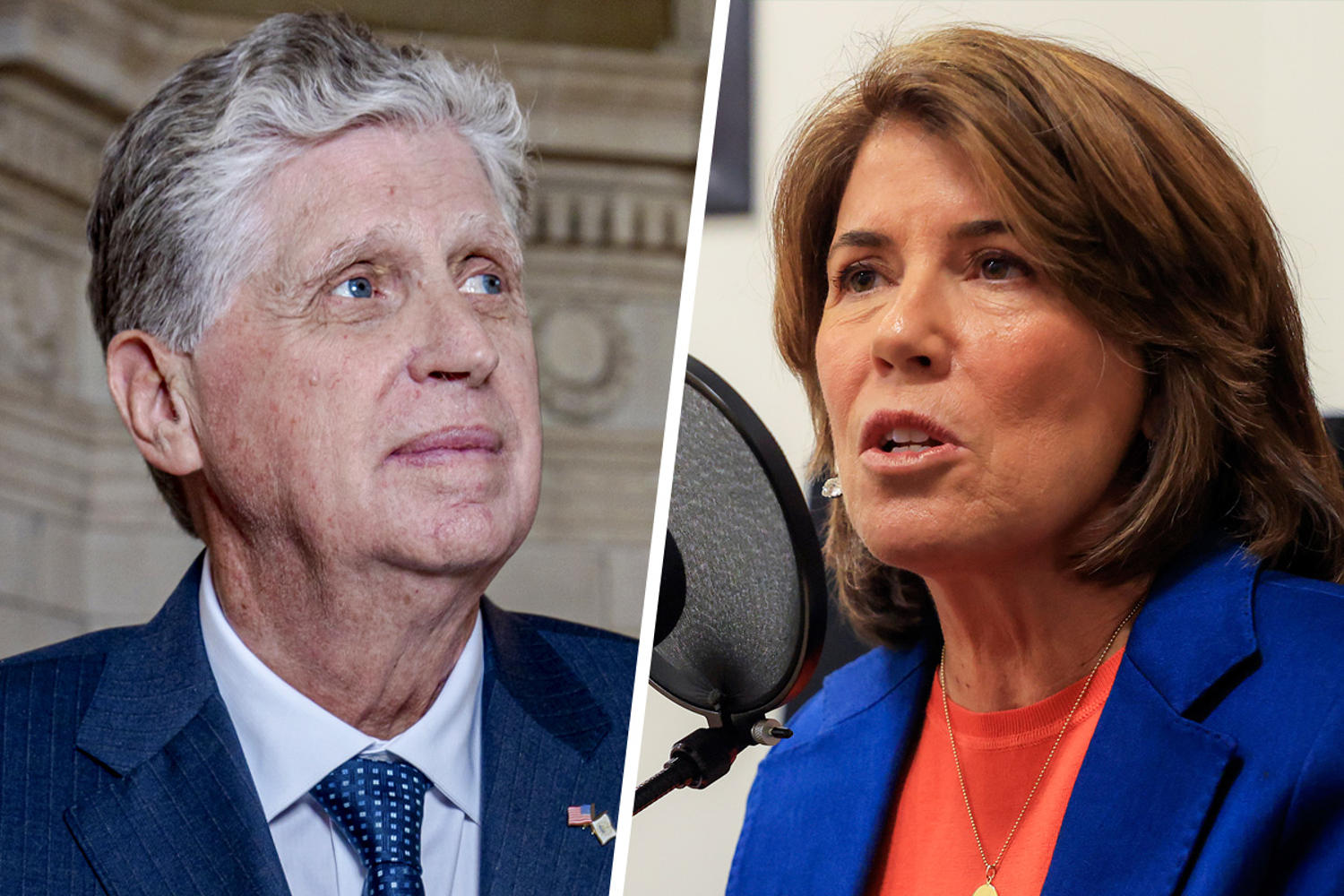 NBC NewsThis piece reads center
“NBC News projects that Foulkes won the Democratic nomination”
What's left outExplicitly connects the loss to both McKee's spending disadvantage and voter discontent, whereas other outlets focus on the loss itself without naming campaign finance as a factor.
Read the original- CBS NewsThis piece reads center
“first sitting governor nationwide to lose a primary in eight years”
Read the original  PoliticoThis piece reads center
“failed to corral a growing political crisis around a bridge”
What's left outSpecifies the bridge crisis as the reason for the loss, whereas most other outlets mention voter discontent more broadly without detailing its source.
Read the original
Placements are generated by an AI model from each article’s own headline and summary, and every quotation above is checked to be a real substring of that article before it is published. How this is done
Prism is free and carries no advertising. Support it if it was useful.