US conducts strikes on Iran's Qeshm Island
Reported by
A dot shows how that piece reads — Prism rates articles, not outlets, and shows the words behind each placement below. No dot means the piece isn’t rated. How the ratings work
What happened
The account the coverage agrees on, with contested figures attributed rather than asserted. This is not one of the five framings below — it is the ground they all stand on.
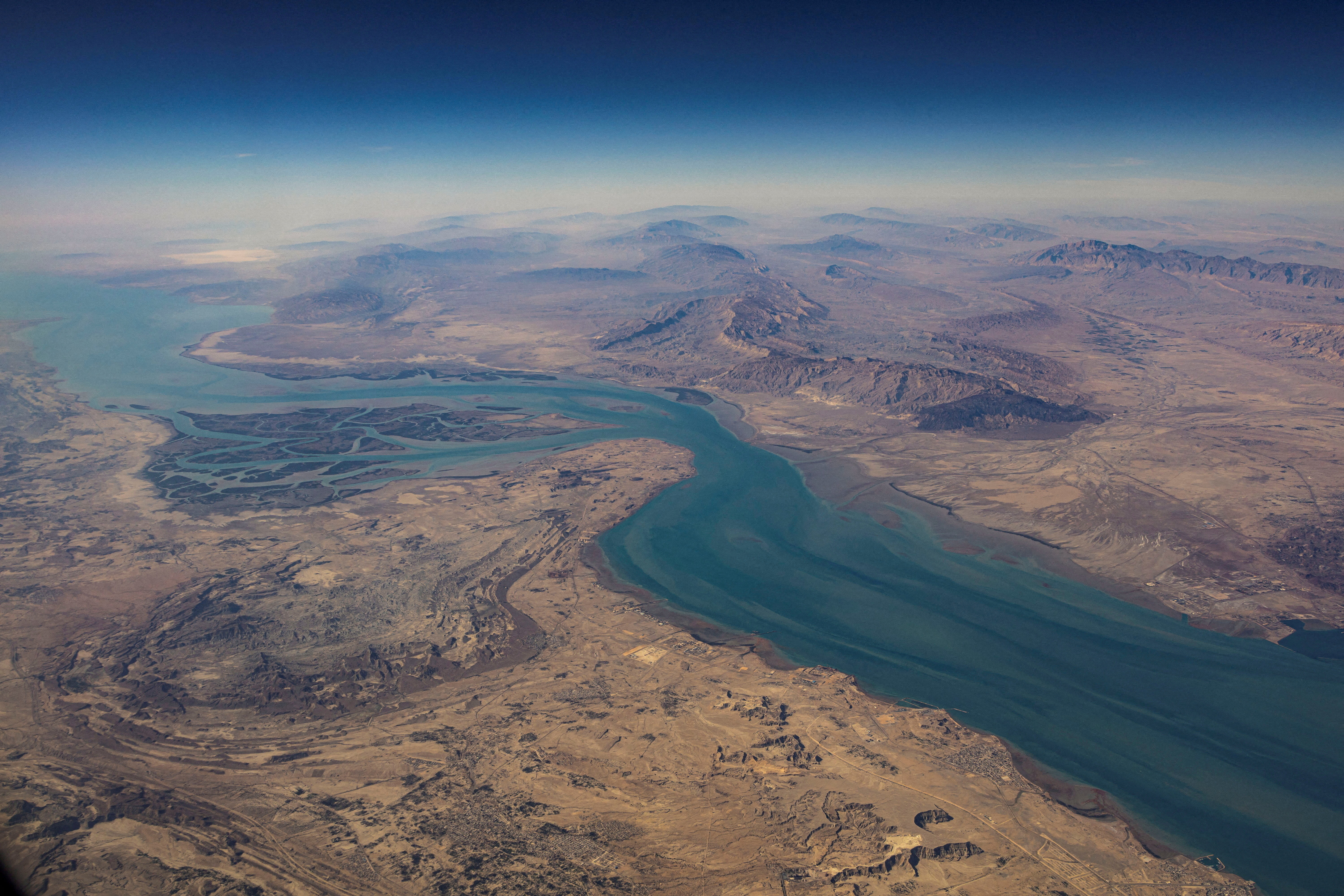
The U.S. military struck Iran's Qeshm Island in the Strait of Hormuz on Monday, destroying radar detectors and missile launchers according to U.S. officials. Iranian state media IRNA reported five explosions on the island. U.S. officials characterized the strike as defensive and part of a series of limited strikes carried out secretly in recent weeks. The attack occurred one day before U.S. midterm elections. President Trump signaled progress in ongoing negotiations with Tehran to end an eight-month-old conflict.
How the spectrum reads this story
The same event, summarised as five points on the political spectrum would each tend to frame it. These are generated by an AI model and are a starting point, not the last word.
Left
The Trump administration conducted strikes on Iran on the eve of midterm elections while simultaneously claiming to pursue negotiations—a troubling pattern that raises questions about using military action to influence domestic politics. The secrecy surrounding weeks of bombing campaigns, combined with the strategic timing, suggests military escalation is being used as political leverage rather than genuine conflict resolution. This undermines any credible path to diplomacy and risks wider regional destabilization.
Drawn from 1 article placed here, below.
Center-left
The U.S. conducted defensive strikes against Iranian military targets while pursuing diplomatic talks to resolve the eight-month conflict. Though officials frame these as limited and defensive responses to Iranian actions, the timing on the eve of midterm elections and the revelation of a secret bombing campaign raise legitimate concerns about transparency and whether military operations are complementing or complicating peace efforts. Congress should demand clearer communication about the administration's overall Iran strategy.
No article in this story reads this way. This is how the position tends to frame events like it — written by a model, not quoted from anyone.
Center
The U.S. struck Iranian military installations in a defensive response while negotiations for a broader peace deal continue. Both elements—measured military responses to threats and diplomatic engagement—can coexist, though the gap between public messaging and revealed secret strikes creates confusion about the administration's true stance. The timing before elections is awkward optics but may be coincidental; what matters is whether the strikes advance security interests or undermine the diplomatic track being pursued simultaneously.
Drawn from 5 articles placed here, below.
Center-right
The U.S. military appropriately defended itself by striking Iranian military targets—radar and missile systems that posed a threat. Describing these as defensive responses to Iranian actions is accurate and justified. While negotiations continue, maintaining strong military pressure demonstrates resolve and protects American interests. The strikes should reassure allies in the region that the U.S. will not hesitate to respond to Iranian provocations, even as diplomatic channels remain open.
Drawn from 3 articles placed here, below.
Right
The Trump administration correctly struck Iranian military facilities in self-defense against an Iranian threat, demonstrating strength and resolve. These defensive strikes protect American security interests and those of regional allies. The revelation of sustained limited strikes shows appropriate measured response to Iranian aggression. The administration's ability to pursue both military defense and diplomatic negotiations simultaneously shows strategic sophistication, and the timing before elections reflects operational necessity, not political calculation.
No article in this story reads this way. This is how the position tends to frame events like it — written by a model, not quoted from anyone.
Hear two viewpoints debate it
Pick two viewpoints and Prism writes a short, six-turn exchange about this story in each one’s own voice — steel-manned, no winner declared. Each pairing is written once and then saved for every reader. The voices are AI syntheses of a tradition, not real people.
New pairing — Prism will write it now.
How each outlet covered it
Where Prism places each piece — not the outlet in general — with the words from that piece that put it there, and the photograph the outlet chose. Picking a photo is a framing decision too.
 Raw StoryThis piece reads left
“deeply alarming”
FramingFrames the strikes through others' emotional judgment ('described as') rather than reporting the action itself, and omits that officials characterized them as defensive or describe what was actually struck.
Read the original- The Jerusalem PostThis piece reads centerHeadline changed after publishing
Headline changed from: US carries out 'defensive' strikes on Iran's Qeshm Island, officials say - report. To: US carries out 'defensive' strikes on Qeshm Island after Iran downs drone, officials tell 'Post'.
- AttributionDropped the attribution “say” — the headline no longer says who is claiming it.
- Who is namedNow names “Post”.
- Quotation marksPut “post” in quotation marks — presented now as someone else's words.
“officials say”
Read the original 
 France 24This piece reads center
“reportedly struck Iran's Qeshm Island on Monday”
Word choiceThe word 'even' frames the strikes and diplomatic signals as contradictory or incongruous, suggesting tension between the two tracks that other outlets leave implicit.
Read the original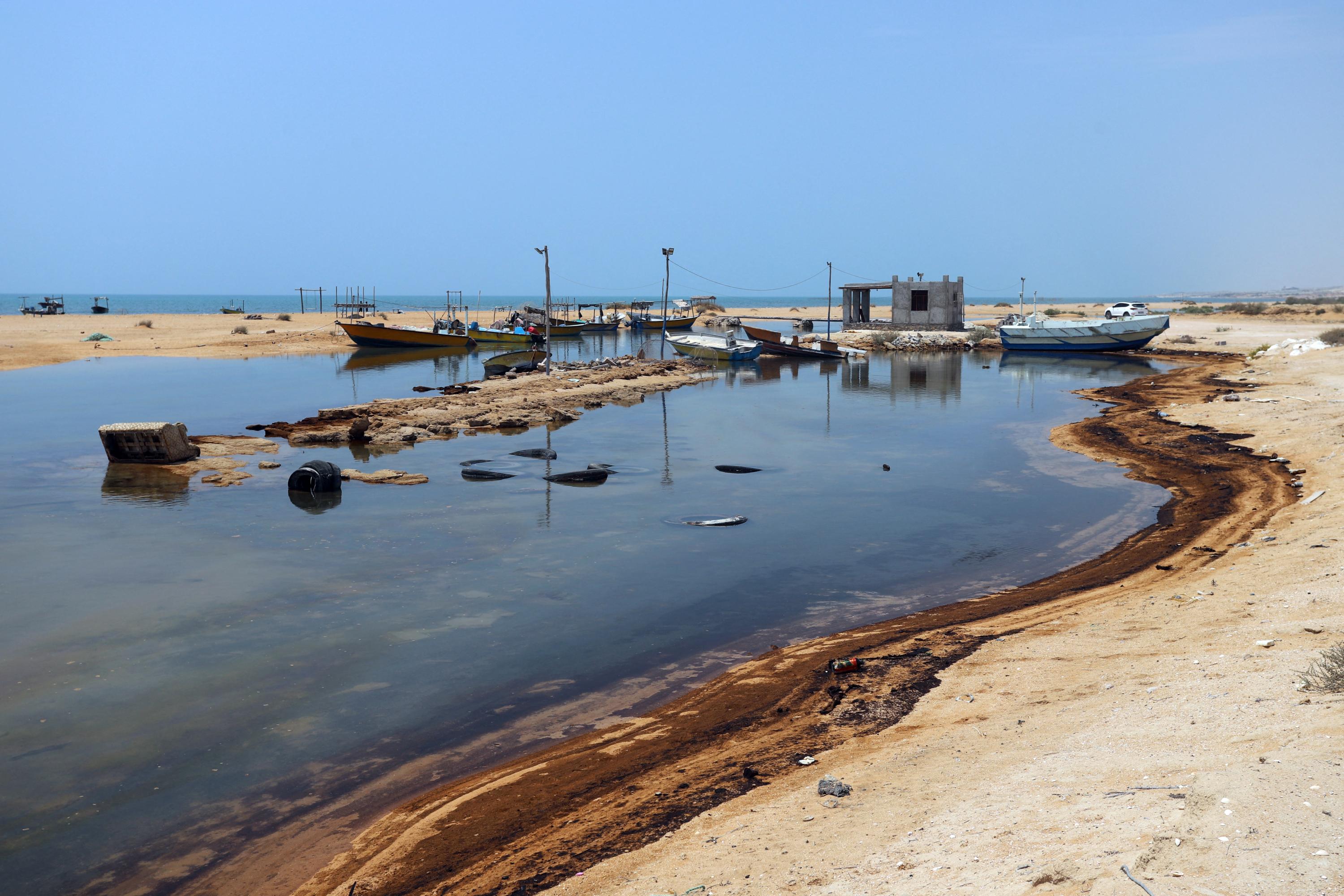 Le FigaroThis piece reads center
“ont mené des frappes contre l'île iranienne de Qeshm”
Read the original The HillThis piece reads center
“defensive in nature, a U.S. official told NewsNation”
Read the original Daily MailThis piece reads center-rightHeadline changed after publishing
Headline changed from: Trump launches attack on Iran on eve of crucial midterm elections... as it's revealed US has been secretly striking regime for weeks. To: Trump launches attack on Iran on eve of midterm elections.
SpectrumCenter-left→CenterPrism reads the rewritten headline as center, where the original read center-left.
“authorized defensive strikes on Iranian targets”
Word choiceUses 'launches attack' where other outlets say 'strikes' or 'carried out strikes'—the verb choice emphasizes initiative and aggression rather than response, and front-loads the election timing as the story's main frame.
Read the original The SunThis piece reads center-right
“Trump blitzes Iran just hours before midterm election”
Word choiceUses 'blitzes' twice, a colloquial term for rapid attack, emphasizing speed and aggression; other outlets use 'strikes' or 'carried out strikes,' which are more neutral descriptors.
Read the original Israel National NewsThis piece reads center-right
“carried out in self-defense after Iran's Islamic Revolutionary Guard Corps”
FramingExplicitly attributes the causal sequence—that Iran fired first and the U.S. responded—where most outlets report the strikes without detailing what prompted them.
Read the original
Placements are generated by an AI model from each article’s own headline and summary, and every quotation above is checked to be a real substring of that article before it is published. How this is done
Prism is free and carries no advertising. Support it if it was useful.