Israel holds election with record turnout as Netanyahu faces political test
Reported by
A dot shows how that piece reads — Prism rates articles, not outlets, and shows the words behind each placement below. No dot means the piece isn’t rated. How the ratings work
PBS NewsHour
What happened
The account the coverage agrees on, with contested figures attributed rather than asserted. This is not one of the five framings below — it is the ground they all stand on.
Israelis voted on October 27, 2026, in their first election since the October 7, 2023 Hamas attack. Turnout reached 44.9% by 2 p.m.—the highest at that stage since records began in 1973—with some outlets reporting 45% by midday. The election was widely framed as a referendum on Prime Minister Benjamin Netanyahu's nearly unbroken 17-year rule amid deep divisions over his leadership, the wars in Gaza and Lebanon, and the character of the state. Axios reported that higher turnout could push several parties in Netanyahu's bloc below the electoral threshold, making it harder for him to reach a 61-seat majority in parliament.
How the spectrum reads this story
The same event, summarised as five points on the political spectrum would each tend to frame it. These are generated by an AI model and are a starting point, not the last word.
Left
This election reflects the cost of Netanyahu's long dominance and his military strategy. Israelis are turning out in record numbers not as a show of confidence but to demand change—recognition that the October 7 failures and years of war have shattered the consensus Netanyahu once enjoyed. The extraordinarily high turnout, especially in left-leaning areas, signals voters want a complete shift in direction on both security policy and the fundamental questions about democracy and the state that divided the country even before the attack.
No article in this story reads this way. This is how the position tends to frame events like it — written by a model, not quoted from anyone.
Center-left
Israelis are voting to decide whether Netanyahu can survive political accountability for the October 7 intelligence failure and the conduct of the wars that followed. The record turnout is encouraging and suggests serious civic engagement. While Netanyahu has legitimate accomplishments in his tenure, the scale of the security breach and the toll of prolonged conflict have raised legitimate questions about his fitness to lead. Voters deserve a fair choice between him and alternatives, and the high turnout gives that choice democratic weight.
Drawn from 2 articles placed here, below.
Center
This is a closely contested election in a divided country trying to make sense of a catastrophic security failure and years of war. The record turnout is striking and healthy for democracy, though it complicates predictions—high turnout historically cuts both ways and can shift results in unexpected directions. The election matters, but it is also important not to treat it as a simple verdict on one man or one policy. Israel faces genuine trade-offs between security and other values, and voters are grappling with those honestly.
Drawn from 14 articles placed here, below.
Center-right
Netanyahu has led Israel through an existential crisis and the election tests whether voters trust him to continue. The high turnout is encouraging civic participation, though turnout alone tells us little about the outcome. Netanyahu's long tenure demonstrates effectiveness in navigating complex security challenges, but the election also reflects legitimate debate about the future direction. The result will likely require coalition-building and compromise, which is how Israel's system works.
Drawn from 3 articles placed here, below.
Right
Israelis are voting in a pivotal moment to decide whether to return Netanyahu or give power to figures Netanyahu's allies say are weak on security. The record turnout reflects the stakes—voters understand this is about Israel's survival and character. Netanyahu's warnings about high turnout in left-leaning strongholds point to the real divide in the country between those serious about security and those willing to make concessions. Israel needs strong leadership in an increasingly dangerous region, and the election will show whether voters recognize that.
No article in this story reads this way. This is how the position tends to frame events like it — written by a model, not quoted from anyone.
Hear two viewpoints debate it
Pick two viewpoints and Prism writes a short, six-turn exchange about this story in each one’s own voice — steel-manned, no winner declared. Each pairing is written once and then saved for every reader. The voices are AI syntheses of a tradition, not real people.
New pairing — Prism will write it now.
How each outlet covered it
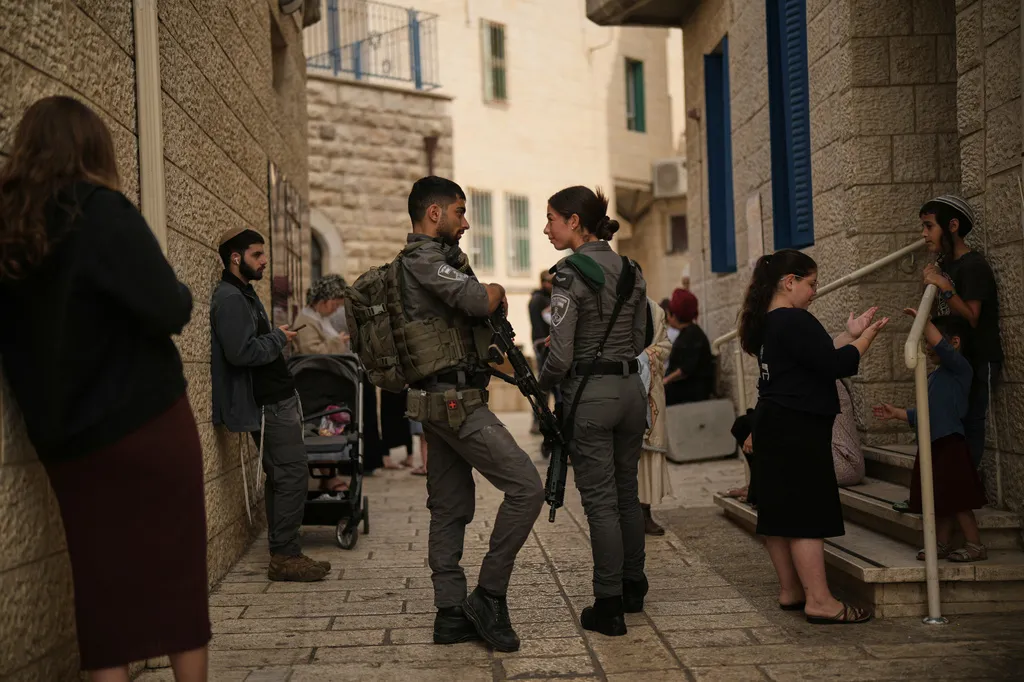
Where Prism places each piece — not the outlet in general — with the words from that piece that put it there, and the photograph the outlet chose. Picking a photo is a framing decision too.
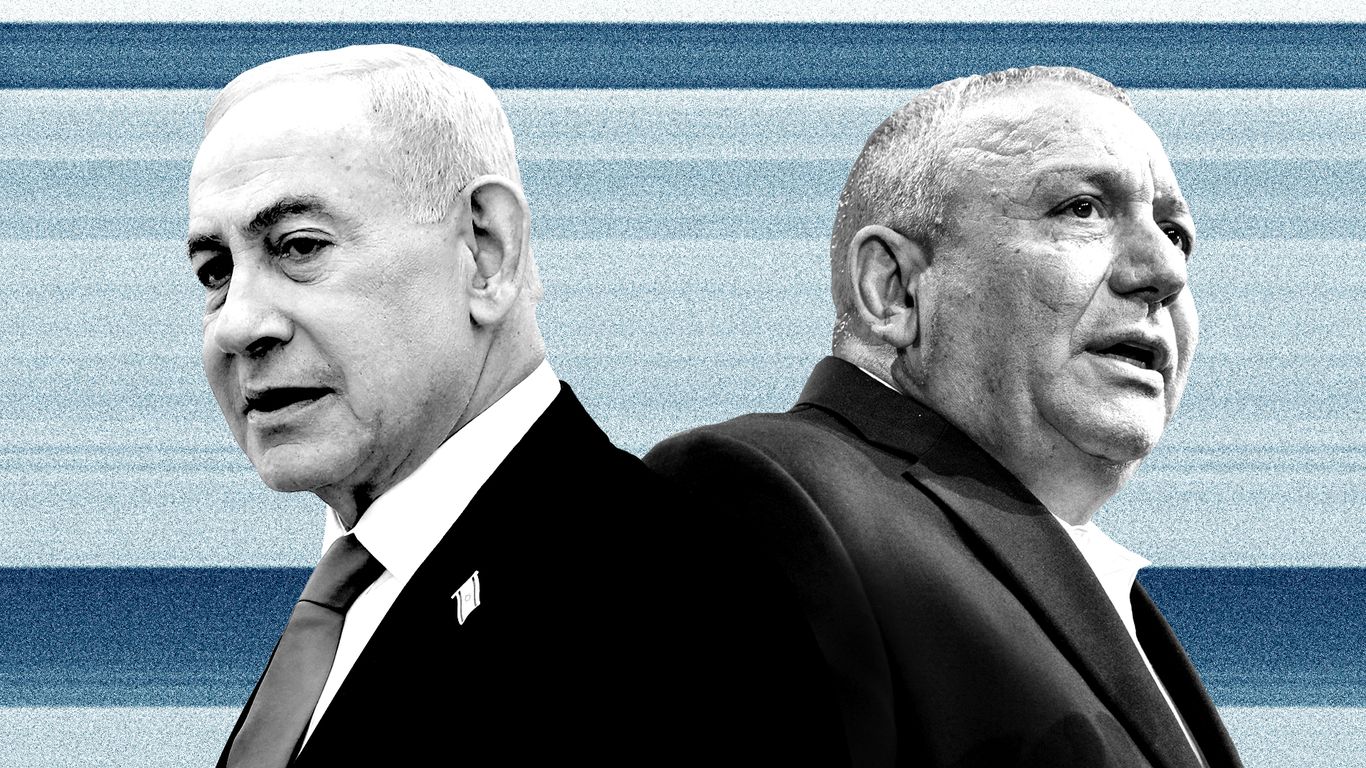 AxiosThis piece reads center-left
“Israel braces for an election each side warns could bring ruin”
FramingStates an explicit prediction about electoral impact tied to turnout data, where other outlets report the same turnout figures without this interpretive judgment.
Read the original- NPRnot ratedRead the original
- Bloombergnot ratedRead the original

- DWThis piece reads center
“expected to be a close-fought contest, and perhaps even a stalemate”
Read the original - National PostThis piece reads center
“Israelis vote in big numbers to decide Netanyahu's fate”
Read the original 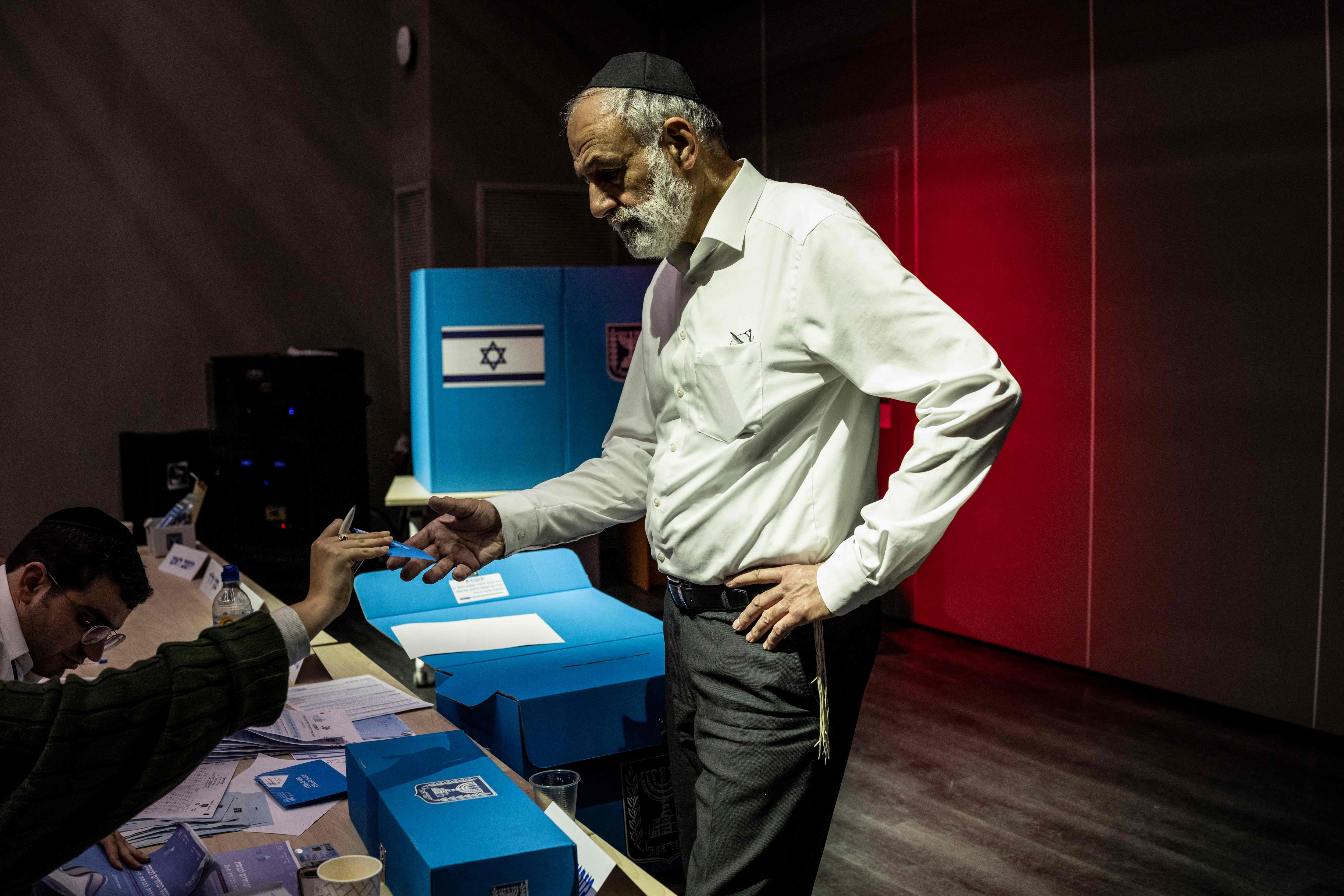
- CNBCThis piece reads center
“Israeli voters will head to the polls to cast their votes”
Read the original - Christian Science Monitornot ratedRead the original
 UPInot ratedRead the original
 Straight Arrow Newsnot ratedRead the original
 Just the NewsThis piece reads center
“first contest since the start of the war in Gaza”
Read the original
- The Jerusalem PostThis piece reads center
“long lines at polling stations amid historic turnout”
Read the original  PBS NewsHourThis piece reads center-right
“focus in the West Bank should remain on Palestinian violence”
Read the original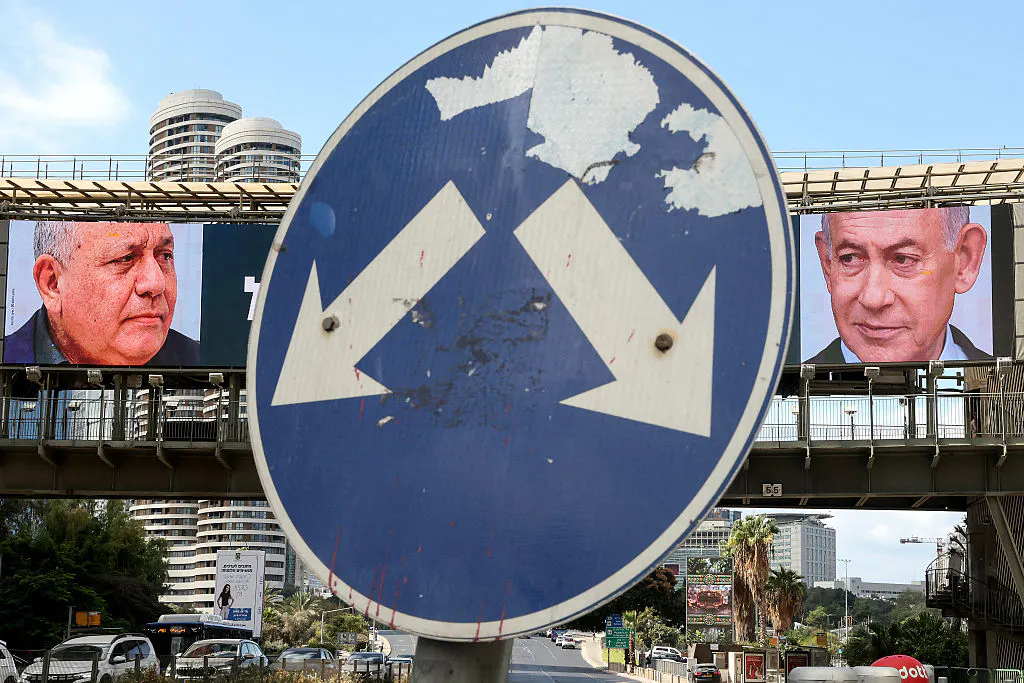 The Daily WireThis piece reads center-right
“Netanyahu Faces His Biggest Challenge Yet”
Read the original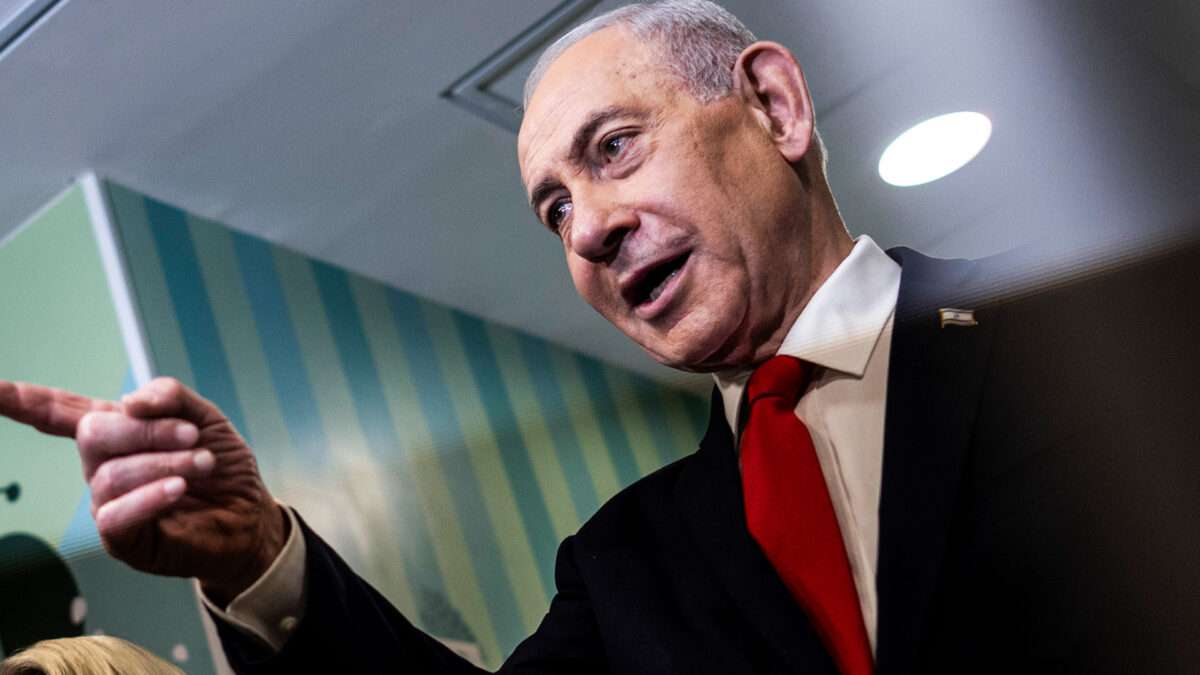 Reasonnot ratedRead the original
 Israel Hayomnot ratedRead the original
 Washington Examinernot rated
FramingQuotes Netanyahu's characterization of turnout geography with scare quotes around 'the Left's strongholds', framing his language rather than just reporting the turnout fact.
Read the original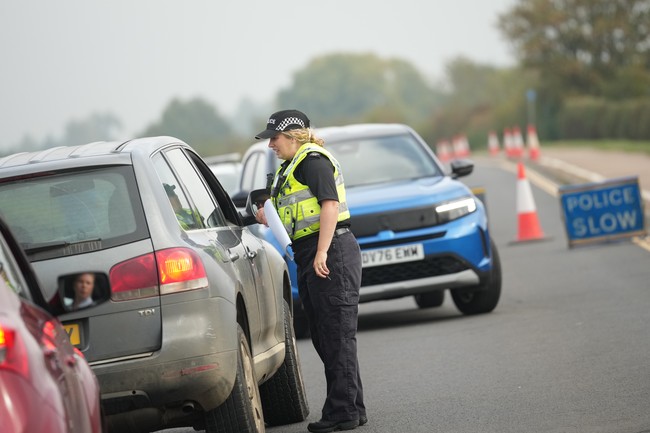 RedStatenot ratedRead the original
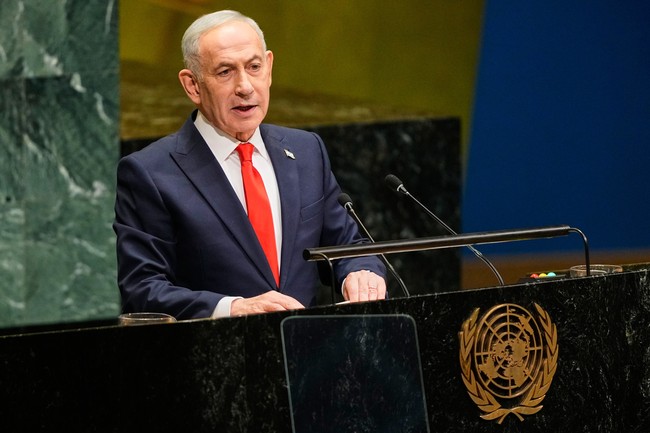 PJ Medianot ratedRead the original
 Israel National Newsnot ratedRead the original


Placements are generated by an AI model from each article’s own headline and summary, and every quotation above is checked to be a real substring of that article before it is published. How this is done
Prism is free and carries no advertising. Support it if it was useful.