Federal judge dismisses Trump DOJ lawsuit seeking to block certification of Alaska Senate election
Reported by
A dot shows how that piece reads — Prism rates articles, not outlets, and shows the words behind each placement below. No dot means the piece isn’t rated. How the ratings work
What happened
The account the coverage agrees on, with contested figures attributed rather than asserted. This is not one of the five framings below — it is the ground they all stand on.
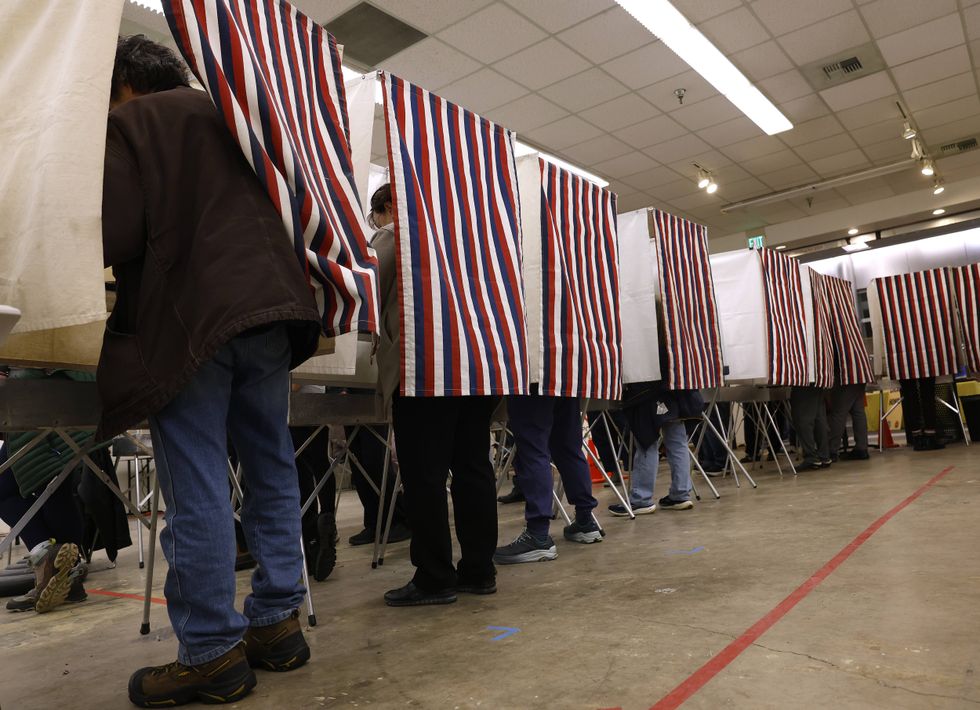
A federal judge dismissed a Justice Department lawsuit seeking to block certification of Alaska's U.S. Senate race. The suit, filed by the Trump administration, argued that if Republican incumbent Dan Sullivan lost by a narrow margin, certification should be delayed because a candidate also named Dan Sullivan could have caused confusion. Judge Sharon Gleason ruled the administration lacked standing and provided no workable plan for segregating ballots. The DOJ said it would appeal.
How the spectrum reads this story
The same event, summarised as five points on the political spectrum would each tend to frame it. These are generated by an AI model and are a starting point, not the last word.
Left
The Trump administration's attempt to overturn an election through the courts has failed—the latest in a pattern of efforts to undermine democratic processes and intimidate election officials into invalidating ballots. While the ruling is welcome, it exposes how close we came to a president using the Justice Department to overturn results he dislikes. The real problem is systemic: a judiciary that has been packed with sympathetic judges at other levels, and an administration willing to use every lever of state power to hold onto power.
Drawn from 2 articles placed here, below.
Center-left
A federal judge properly rejected the Trump administration's extraordinary attempt to pre-emptively block certification of an election result. The lawsuit was legally unfounded and represented an unprecedented interference with election administration. While the ruling is reassuring, it's concerning that such a lawsuit was filed at all—it shows how much the Trump administration is willing to strain legal doctrines and institutional norms to challenge electoral outcomes it opposes.
Drawn from 1 article placed here, below.
Center
The court correctly applied standing doctrine to dismiss a lawsuit that lacked clear legal grounds. Both the substance and the process matter here: while the ballot-confusion scenario was genuine, the administration's request for an injunction against certification was exceptional and the judge was right to require a concrete, workable plan rather than speculation. The appeal will likely reach the same conclusion, but the real issue is why we keep relitigating election rules days before votes are cast—a sign that election administration needs clearer rules set well in advance.
Drawn from 8 articles placed here, below.
Center-right
A judge found the DOJ's lawsuit lacked legal standing to proceed, which is a straightforward application of constitutional doctrine. However, the underlying concern about ballot confusion when two candidates share a name is legitimate—that's why Alaska's election system should have addressed it. The judge's ruling doesn't mean the spoiler problem doesn't exist; it means the timing and mechanism of the lawsuit were wrong. Election officials should fix these issues before the next election.
Drawn from 1 article placed here, below.
Right
A judge appointed by Obama blocked the Trump administration's reasonable effort to protect election integrity by ensuring that ballots for the wrong Dan Sullivan wouldn't alter the outcome. The lawsuit raised a genuine concern about voter confusion in a close race, but was blocked on a technical standing argument. This illustrates how courts and election bureaucrats are weaponized against Republican interests—a pattern where institutional obstacles mysteriously appear when conservatives try to secure elections but vanish when the other side acts.
Drawn from 1 article placed here, below.
Hear two viewpoints debate it
Pick two viewpoints and Prism writes a short, six-turn exchange about this story in each one’s own voice — steel-manned, no winner declared. Each pairing is written once and then saved for every reader. The voices are AI syntheses of a tradition, not real people.
New pairing — Prism will write it now.
How each outlet covered it
Where Prism places each piece — not the outlet in general — with the words from that piece that put it there, and the photograph the outlet chose. Picking a photo is a framing decision too.
- Common DreamsThis piece reads left
“Trump administration's attempts to intimidate election officials”
Word choiceCharacterizes the lawsuit as intimidation of officials rather than describing the lawsuit's legal claims. Other outlets report the lawsuit's substance without this framing.
Read the original  TruthoutThis piece reads left
“Trump's wide-ranging efforts to undermine democratic processes”
What's left outThe headline shifts from the dismissed lawsuit about ballot certification to broader claims about threats to officials. The snippet doesn't confirm this lawsuit involved prosecution threats, creating a mismatch between headline and the actual lawsuit dismissed.
Read the original- HuffPostThis piece reads center-left
“one of the country's most closely watched races, with Senate control at stake”
Read the original 
- CNBCThis piece reads center
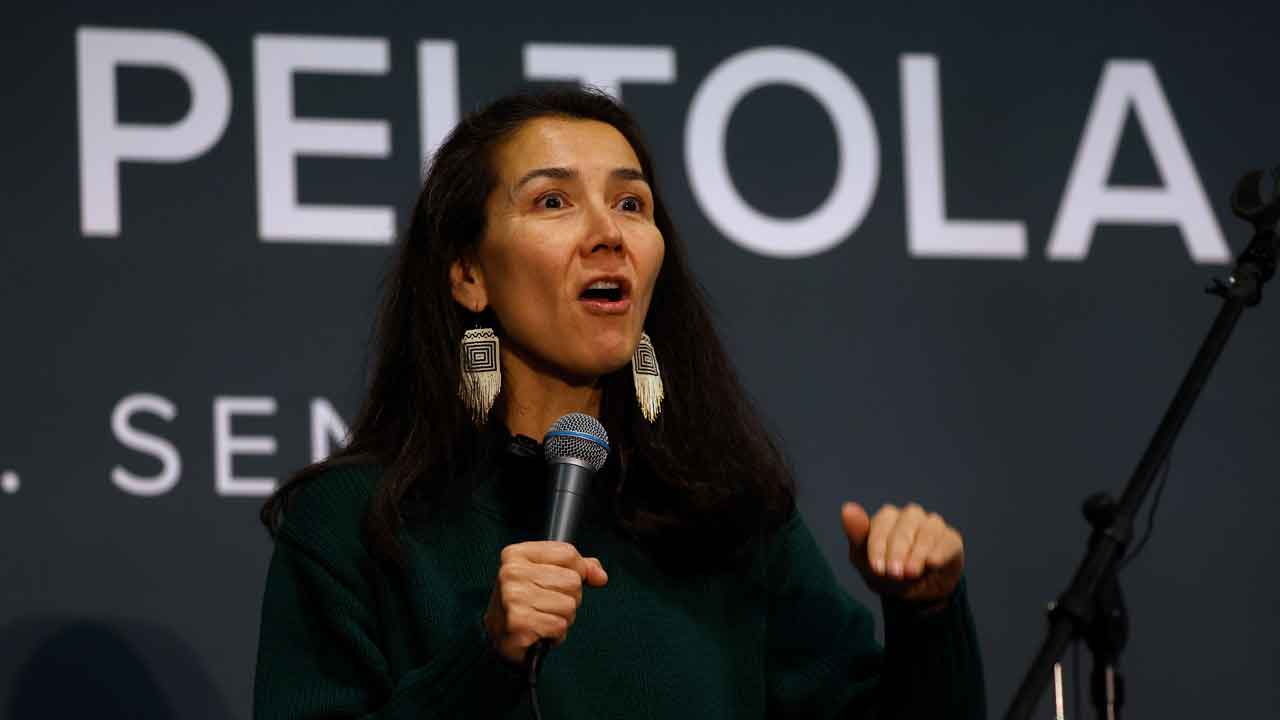
“Democratic nominee Mary Peltola is facing two candidates named Dan Sullivan”
Read the original  The Center SquareThis piece reads center
“dismissed a lawsuit filed by the U.S. Justice Department”
Read the original NewsNationThis piece reads center
“ballot controversy that has roiled the final days”
Read the original Straight Arrow Newsnot ratedRead the original

- BloombergThis piece reads center
“preemptively stop Alaska election officials from certifying the results”
Read the original 
 The Daily SignalThis piece reads center
“threw out a lawsuit by President Donald Trump's administration”
Read the original ReasonThis piece reads center-right
“major substantive problems with Trump's position”
FramingNotes that the court found the administration lacked standing but also hints at substantive weaknesses—suggesting the lawsuit would likely fail on the merits too, not just on a technical doctrine.
Read the original The Daily WireThis piece reads right
“Democrat scheme to confuse voters”
Word choicePresents one side's characterization of Mary Peltola's candidacy as a 'scheme' without noting that outlets call it a ballot-confusion scenario or spoiler dynamic. Omits the dispute over intent.
Read the original
Placements are generated by an AI model from each article’s own headline and summary, and every quotation above is checked to be a real substring of that article before it is published. How this is done
Prism is free and carries no advertising. Support it if it was useful.