Alaska Senate candidate denies knowing about alleged plot to put two Dan Sullivans on ballot
Reported by
A dot shows how that piece reads — Prism rates articles, not outlets, and shows the words behind each placement below. No dot means the piece isn’t rated. How the ratings work
What happened
The account the coverage agrees on, with contested figures attributed rather than asserted. This is not one of the five framings below — it is the ground they all stand on.
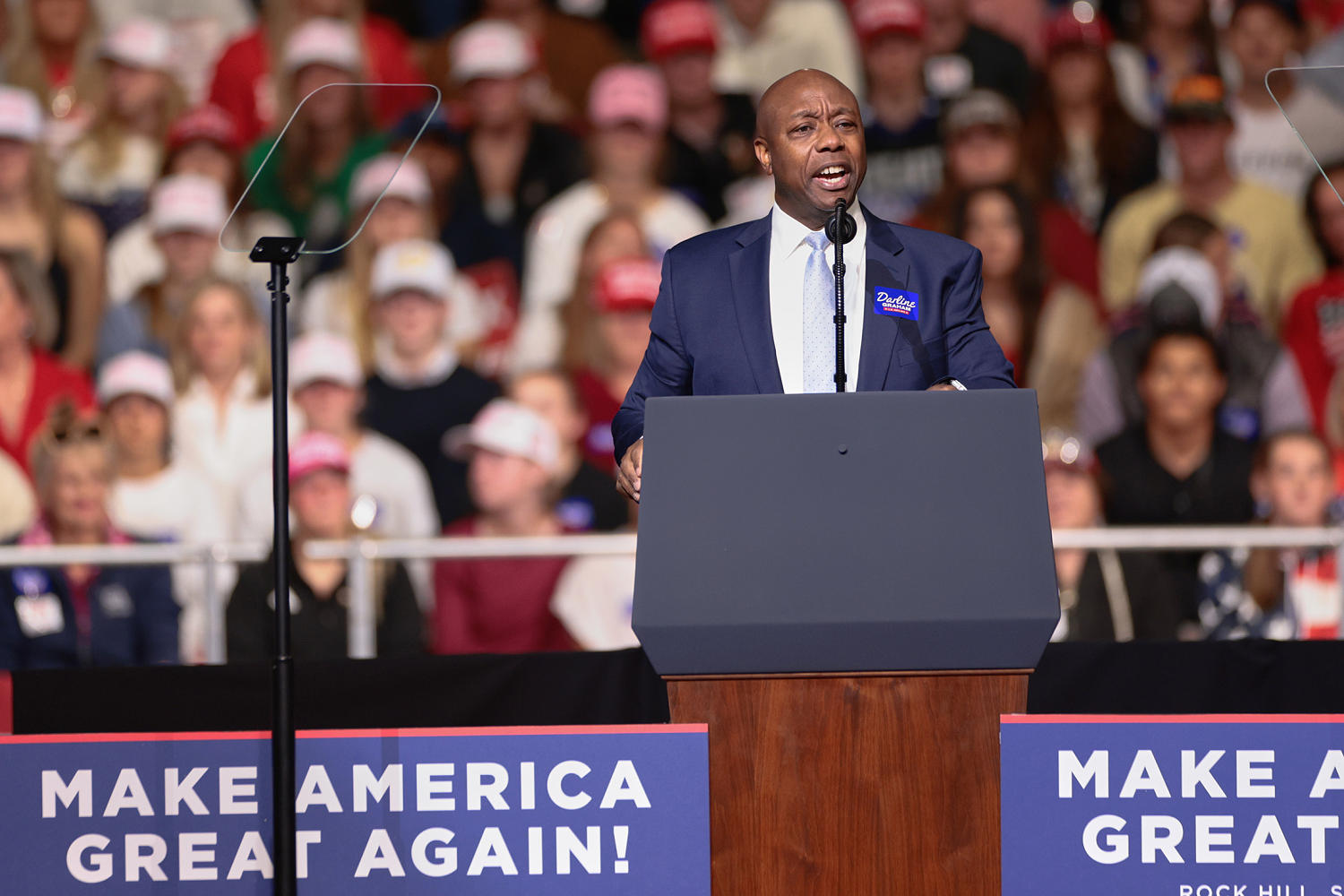
Alaska's 2026 Senate race has become contested over a second candidate named Dan Sullivan entering the Republican primary. The incumbent Republican Dan Sullivan and Democrats have made conflicting accusations: Republicans claim Democrats recruited the second Sullivan to confuse voters, while Democrats deny involvement in any such plot. After the election, the Department of Justice made a request to separate ballots for the second Sullivan pending investigation into whether voters were misled. Sen. Tim Scott declined to commit to accepting the race results if Democrat Mary Peltola wins.
Developing story · 2 chapters
- Alaska Senate race spotlights legality of political trick using second Dan Sullivan candidate to confuse voters
- Alaska Senate candidate denies knowing about alleged plot to put two Dan Sullivans on ballotyou are here
How each side framed the previous chapter
Compare these with the five framings below to see what moved as the story developed — and what each side kept saying regardless.
Left
The Dan Sullivan Jr. candidacy reflects a legitimate exercise of democratic participation—a retired teacher exercising his right to run for office. Republicans' FEC complaint amounts to an attack on voting access itself, using election administration as a weapon to eliminate a candidate they simply don't want to face. The real issue isn't the candidate's name or origin but the GOP's determination to restrict who can participate in democracy when the outcome might not favor them.
Center-left
While Daniel Sullivan Jr. may have a legitimate right to run, the circumstances raise genuine questions about campaign coordination and fair play. If Democratic operatives were involved in recruiting or funding this candidacy specifically to split the vote against the Republican incumbent, that crosses an ethical line even if legal technicalities might permit it. Election law should address not just formal violations but the spirit of fair competition between campaigns.
Center
Two candidates sharing a similar name on a single ballot creates real confusion for voters, which is a legitimate concern regardless of anyone's motives. The legal and ethical issues here are genuinely tangled: Sullivan Jr. may have a right to run, but the circumstances warrant scrutiny from election authorities. Both the FEC investigation and a careful look at what actually happened are appropriate; jumping to conclusions about either malfeasance or victimization serves no one. The focus should be on what voters need to know to make an informed choice.
Center-right
The appearance that Democratic operatives recruited or funded a same-named candidate to confuse voters and split the Republican vote is troubling, even if the legal status remains disputed. The FEC should investigate whether campaign finance or coordination rules were violated. Regardless of outcome, this episode highlights why election integrity matters—voters deserve ballots that reflect genuine candidacies, not tactics designed to obscure choice through voter confusion.
Right
Democrats have orchestrated a bait-and-switch scheme, recruiting a spoiler candidate with a nearly identical name to deliberately confuse voters and undermine the Republican incumbent. This 'Decoy Dan' tactic exposes the left's contempt for fair elections and their willingness to exploit technicalities in election law to win by deception rather than persuasion. It demonstrates why voter ID and ballot security measures are essential—without them, Democrats will continue manufacturing schemes like this to subvert the democratic process.
How the spectrum reads this story
The same event, summarised as five points on the political spectrum would each tend to frame it. These are generated by an AI model and are a starting point, not the last word.
Left
This is what voter suppression and election interference look like when Republicans are desperate. The second Dan Sullivan appears designed to split the vote, yet instead of addressing this transparently, Republicans are now refusing to accept results they don't like — the exact playbook we saw in 2020. Alaska's system needs safeguards to prevent ballot confusion and genuine democracy requires accepting outcomes you lose.
No article in this story reads this way. This is how the position tends to frame events like it — written by a model, not quoted from anyone.
Center-left
Republicans have created chaos by recruiting a second Dan Sullivan as a spoiler candidate, then falsely blamed Democrats when questioned about it. Now they're compounding the problem by refusing to accept election results outright. Election integrity requires transparent processes and accepting outcomes — Alaska needs clearer ballot design and officials willing to stand by democratic norms regardless of who wins.
No article in this story reads this way. This is how the position tends to frame events like it — written by a model, not quoted from anyone.
Center
Alaska's ballot situation reflects a genuine problem: voters can be confused by similar names, and both parties have incentives to exploit this. The real issue is that our election systems are vulnerable to these kinds of tricks, and we need better ballot design and verification procedures. What matters now is that officials — whatever their party — focus on determining what actually happened and fixing the process, not on pre-rejecting results.
Drawn from 2 articles placed here, below.
Center-right
There are legitimate concerns that voter confusion over two candidates with the same name could skew results in a close race. The focus should be on fair administration and voter intent, not on invalidating ballots wholesale. If there's evidence voters were genuinely misled, election officials should address that through proper legal channels and clear procedures, but that's different from one party simply refusing to accept a loss.
No article in this story reads this way. This is how the position tends to frame events like it — written by a model, not quoted from anyone.
Right
Democrats planted a second Dan Sullivan to steal the election through voter confusion, and now they're pretending Republicans are the ones threatening elections when we demand accountability. Refusing to accept tainted results isn't election denial — it's election integrity. If ballots are compromised, they should be examined; voters deserve to know their votes counted for who they actually meant to vote for.
No article in this story reads this way. This is how the position tends to frame events like it — written by a model, not quoted from anyone.
Hear two viewpoints debate it
Pick two viewpoints and Prism writes a short, six-turn exchange about this story in each one’s own voice — steel-manned, no winner declared. Each pairing is written once and then saved for every reader. The voices are AI syntheses of a tradition, not real people.
New pairing — Prism will write it now.
How each outlet covered it
Where Prism places each piece — not the outlet in general — with the words from that piece that put it there, and the photograph the outlet chose. Picking a photo is a framing decision too.
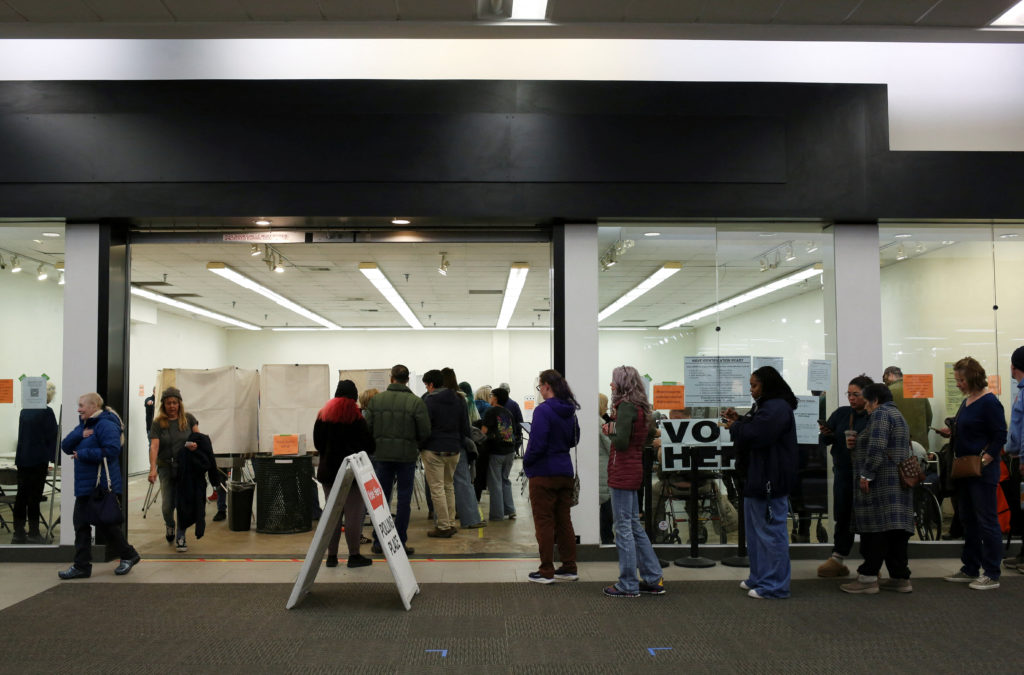 PBS NewsHournot rated
Word choiceAttributes the judgment 'meritless' to Alaska's attorneys in quotes, but the word choice 'Trump demand' rather than 'DOJ request' personalizes the action to Trump in a way the other outlets do not.
Read the original- NBC NewsThis piece reads center
“declined to say whether he would accept the results”
FramingUses 'declined to say' framing, which emphasizes Scott's refusal to commit as evasive — other outlets describe the disputed facts about the ballot itself rather than focus on Scott's response.
Read the original  BBCThis piece reads center
“denies knowing about alleged plot”
FramingOpens with the denial itself rather than establishing what the plot allegedly was — readers learn the accusation exists but learn the denial first, which can read as rebuttal-leading framing.
Read the original
Placements are generated by an AI model from each article’s own headline and summary, and every quotation above is checked to be a real substring of that article before it is published. How this is done
Prism is free and carries no advertising. Support it if it was useful.