Senator Ted Cruz faces public backlash while promoting college sports legislation
Reported by
A dot shows how that piece reads — Prism rates articles, not outlets, and shows the words behind each placement below. No dot means the piece isn’t rated. How the ratings work

What happened
The account the coverage agrees on, with contested figures attributed rather than asserted. This is not one of the five framings below — it is the ground they all stand on.
Sen. Ted Cruz appeared on ESPN's College GameDay in Austin, Texas on Saturday to promote the Protect College Sports Act. The crowd, largely University of Texas fans, responded with sustained booing and chants of "Ted, you suck" throughout his interview with Rece Davis. A closure vote on the bill had been delayed due to the congressional August recess.
How the spectrum reads this story
The same event, summarised as five points on the political spectrum would each tend to frame it. These are generated by an AI model and are a starting point, not the last word.
Left
Cruz's appearance exposed the public rejection of Republican efforts to restrict college athletes' financial rights. His bill would limit name, image and likeness (NIL) compensation—a modest form of athlete compensation—while preserving NCAA control. The booing reflected grassroots understanding that Cruz's framing of "protecting" college sports actually protects institutional power at athletes' expense. The moment demonstrates how ordinary people recognize when politicians work against their interests.
Center-left
Cruz faced significant public pushback on a flagship political platform, which underscores growing skepticism about restrictions on college athlete compensation. The Protect College Sports Act reflects a particular view of NCAA authority, but the crowd's reaction suggests many voters—including in his home state—disagree with limiting athletes' earning potential. The incident highlights how even routine political messaging can encounter organized resistance when it conflicts with popular opinion.
Center
Cruz made a political pitch on a major sports platform and received an unexpectedly hostile reception from the audience. Both the senator's decision to use the venue and the crowd's vocal response reflect genuine disagreement over college sports policy, particularly around athlete compensation. Neither side's conduct here is remarkable—politicians promote legislation in various settings, and crowds express opinions—but the scale of the booing suggests the issue resonates with voters in ways Cruz may not have anticipated.
Center-right
A senator appeared in his home state to advocate for legislation protecting college sports institutions and was met with partisan disruption. The crowd's orchestrated booing—including specific chants—suggests coordinated opposition rather than spontaneous disagreement. Cruz's Protect College Sports Act addresses legitimate concerns about NIL rules destabilizing college athletics, but the hostile reception illustrates how difficult it has become for conservatives to make their case in increasingly hostile cultural environments, even in traditionally friendly settings.
Right
Sen. Cruz attempted to discuss serious policy on college sports before a national audience, but leftist activists used the platform to stage a disruption and prevent him from speaking. The coordinated booing and chants reflect the intolerance of progressives who silence conservative voices rather than engage in debate. Cruz's bill would restore order to college athletics after years of chaos from unregulated NIL deals, yet the crowd's hostility shows how the cultural left brooks no opposition to its preferred outcome of unrestricted athlete compensation.
Hear two viewpoints debate it
Pick two viewpoints and Prism writes a short, six-turn exchange about this story in each one’s own voice — steel-manned, no winner declared. Each pairing is written once and then saved for every reader. The voices are AI syntheses of a tradition, not real people.
New pairing — Prism will write it now.
How each outlet covered it
Where Prism places each piece — not the outlet in general — with the words from that piece that put it there, and the photograph the outlet chose. Picking a photo is a framing decision too.
- Mother JonesThis piece reads center-left
“shamelessly promoted his congressional bill”
Read the original 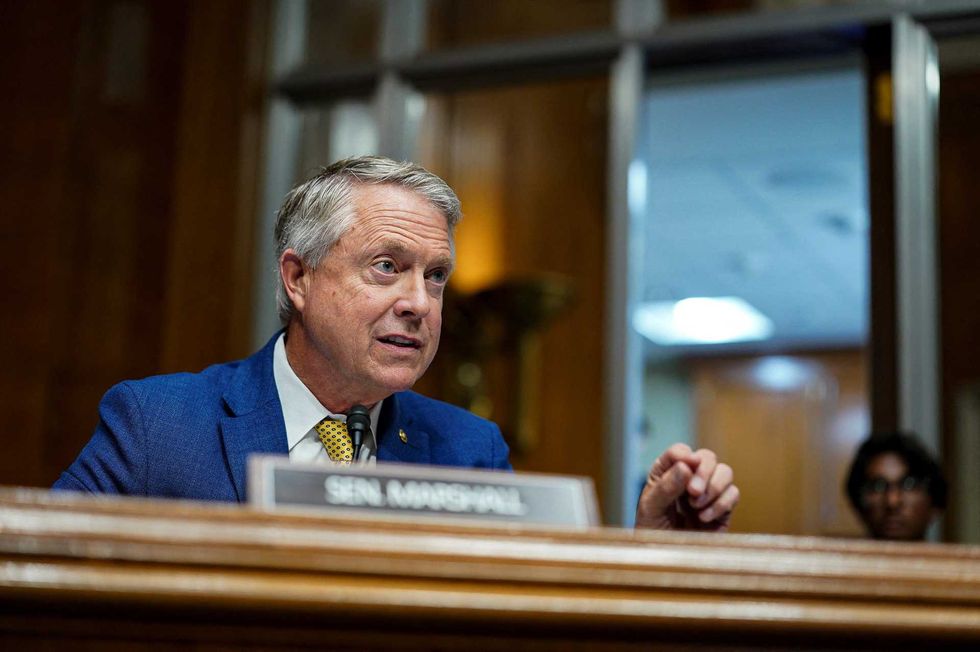 Raw StoryThis piece reads center-left
“MAGA senator brutally booed and taunted”
What's left outLabels Cruz with the "MAGA" identifier and uses "brutally," adding intensity-framing language, whereas the story is actually about Sen. Roger Marshall at a different event—this article does not cover the Cruz incident at all.
Read the original The Daily BeastThis piece reads center-left
“Ted Cruz Humiliated as Constituents Boo Him”
Word choiceLeads with "Humiliated"—a judgment about Cruz's emotional state and dignity—rather than simply reporting what happened, as other outlets do.
Read the original- Washington ExaminerThis piece reads center
“faced a raucous gathering at his appearance”
Read the original 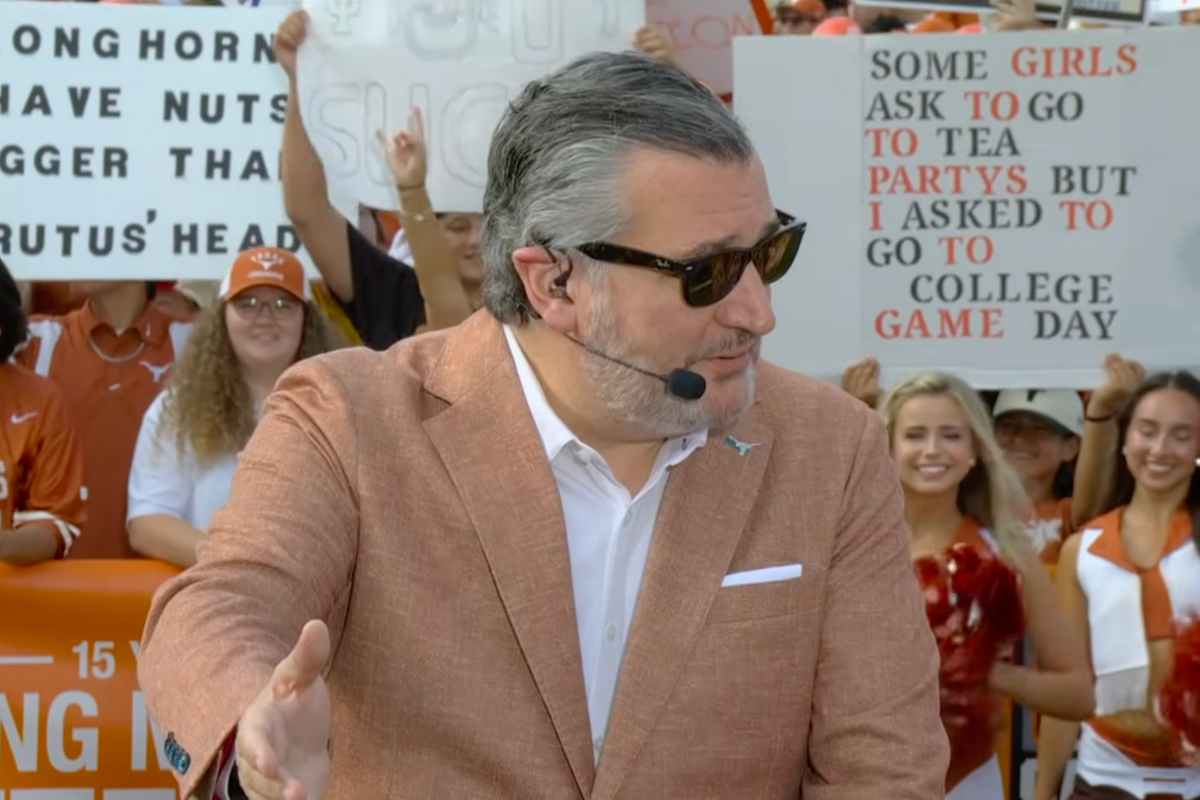
 The Daily WireThis piece reads center-right
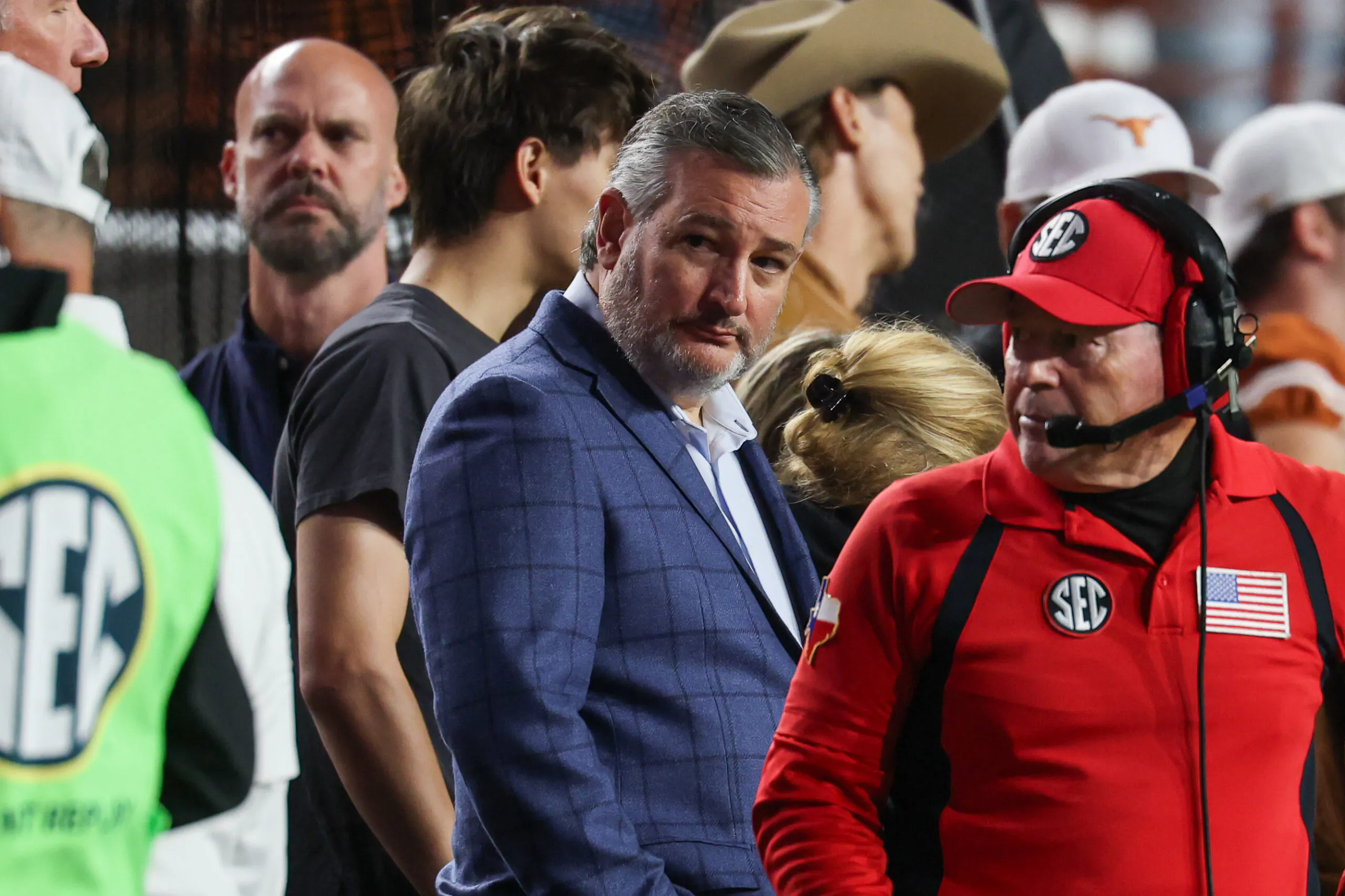
“Austin Libs drown him in boos”
Word choiceFrames the crowd by political identity ("Libs") and uses "drown" suggesting volume and overwhelm, emphasizing it as ideological opposition rather than mere disagreement on policy.
Read the original
Placements are generated by an AI model from each article’s own headline and summary, and every quotation above is checked to be a real substring of that article before it is published. How this is done
Prism is free and carries no advertising. Support it if it was useful.