9th Circuit Court denies Trump administration requests to block California ballots for alleged noncitizens
Reported by
A dot shows how that piece reads — Prism rates articles, not outlets, and shows the words behind each placement below. No dot means the piece isn’t rated. How the ratings work
What happened
The account the coverage agrees on, with contested figures attributed rather than asserted. This is not one of the five framings below — it is the ground they all stand on.
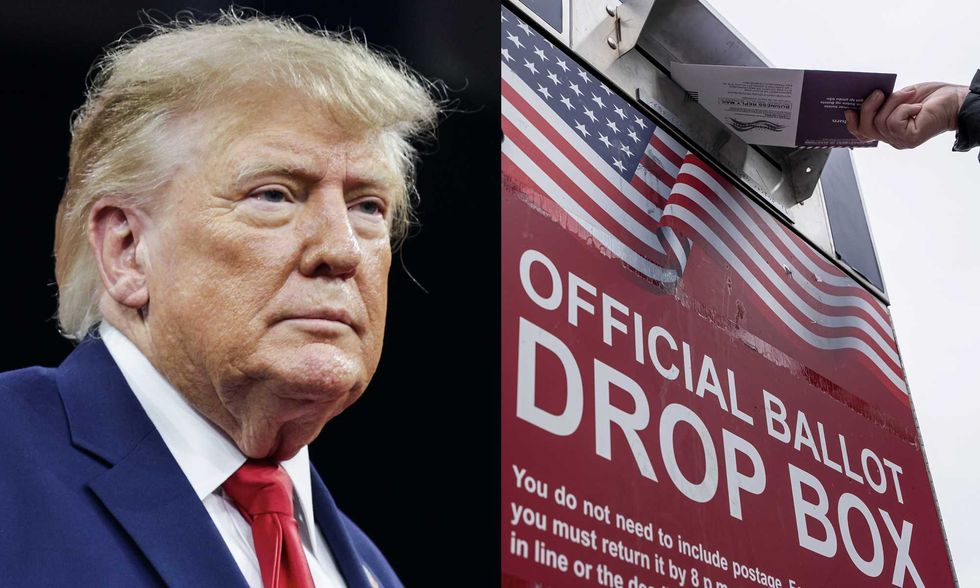
The 9th Circuit Court of Appeals rejected the Trump administration's emergency request to block California from counting mail ballots from approximately 20,000 voters the Department of Justice suspected of being noncitizens. The DOJ had asked California to either verify the voters' legal status or segregate their ballots. The appeals court, in a 2–1 ruling, cited doubts about the accuracy of the DOJ's voter list and concerns about disenfranchising eligible voters.
How the spectrum reads this story
The same event, summarised as five points on the political spectrum would each tend to frame it. These are generated by an AI model and are a starting point, not the last word.
Left
The court correctly rejected an attempt to suppress votes by removing thousands of voters based on a flawed government list. The Trump administration's effort to block ballots days before an election represents precisely the kind of voter intimidation that undermines democratic participation. Election integrity means counting eligible voters' ballots, not blocking them on suspicion. The ruling protects voting rights against administrative overreach.
No article in this story reads this way. This is how the position tends to frame events like it — written by a model, not quoted from anyone.
Center-left
The appeals court made the right call in halting this emergency ballot scheme. While election security matters, the DOJ's process lacked the scrutiny needed before disenfranchising 20,000 voters. The court's concern about the accuracy of the voter list and the risk of blocking legitimate voters reflects proper judicial caution when voting rights are at stake. The ruling preserves California's election procedures and prevents last-minute disruption.
Drawn from 1 article placed here, below.
Center
The court faced a genuine tension: election integrity requires confidence that only eligible citizens vote, but blocking ballots on short notice from a contested list risks eliminating legitimate voters. The 2–1 split reflects this difficulty. The judges' doubts about the DOJ's data quality and the practical problems with segregating ballots so close to the election made the status quo preferable. The ruling accepts some risk to voting roll accuracy in order to avoid certain disenfranchisement.
Drawn from 2 articles placed here, below.
Center-right
While the court's caution is understandable, the ruling leaves unresolved questions about noncitizen voting. The DOJ raised legitimate concerns about 20,000 voters, yet the court blocked any investigation or verification process without fully examining the evidence. The emphasis on avoiding disenfranchisement sidesteps the prior question: whether these voters should be registered at all. The decision prioritizes procedural protection over verifying voter eligibility.
Drawn from 1 article placed here, below.
Right
The court blocked a reasonable effort to ensure election integrity by verifying that noncitizens don't vote. The Trump administration's request was modest—simply asking California to check or segregate ballots from voters the DOJ had flagged. The appeals court's reflexive defense of the current process, despite documented concerns about noncitizen registration, subordinates election security to procedural objections. This ruling exemplifies how courts obstruct legitimate election safeguards.
No article in this story reads this way. This is how the position tends to frame events like it — written by a model, not quoted from anyone.
Hear two viewpoints debate it
Pick two viewpoints and Prism writes a short, six-turn exchange about this story in each one’s own voice — steel-manned, no winner declared. Each pairing is written once and then saved for every reader. The voices are AI syntheses of a tradition, not real people.
New pairing — Prism will write it now.
How each outlet covered it
Where Prism places each piece — not the outlet in general — with the words from that piece that put it there, and the photograph the outlet chose. Picking a photo is a framing decision too.
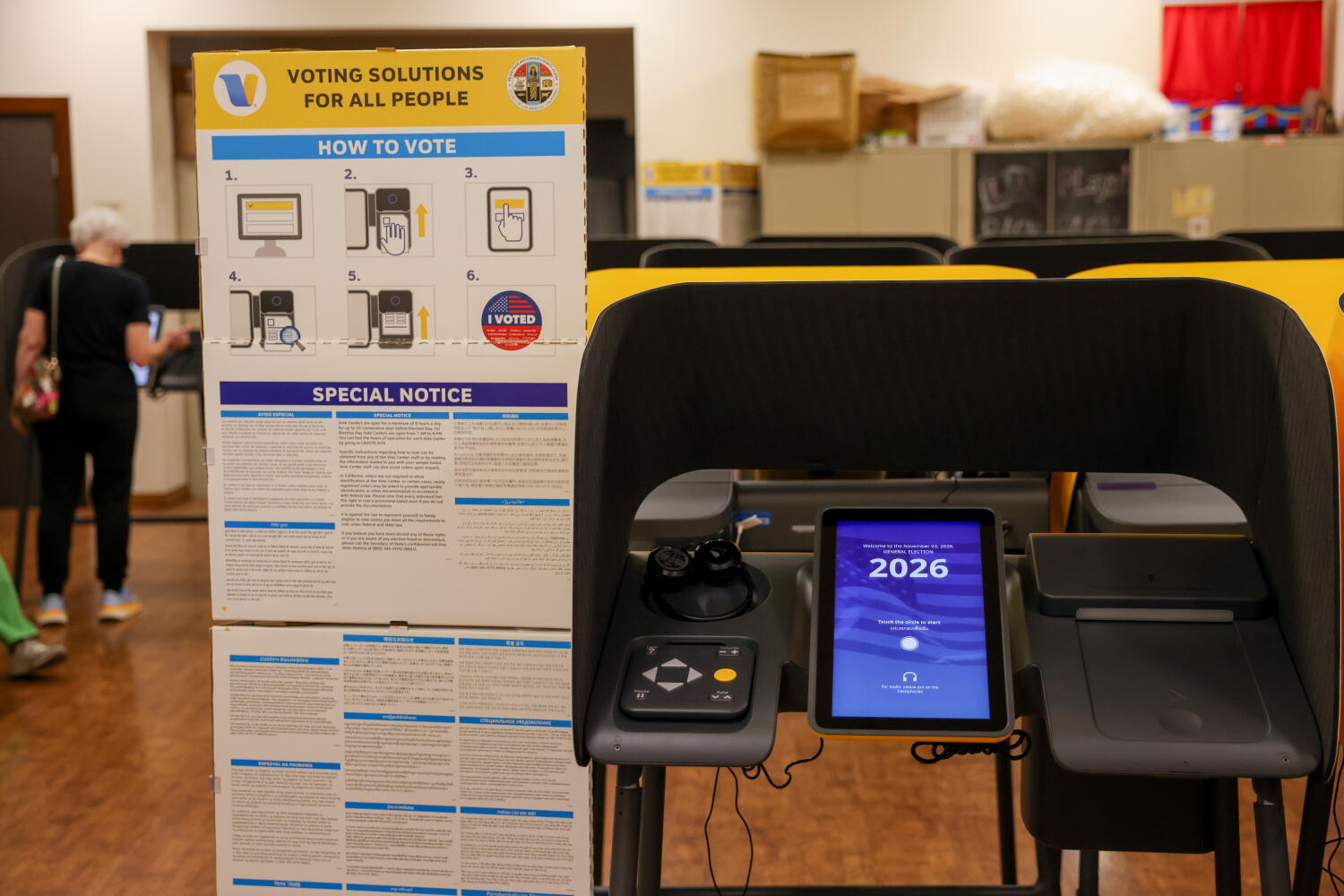 LA TimesThis piece reads center-left
“investigations could intimidate workers”
What's left outIntroduces federal grand jury subpoenas and concerns about intimidating election workers, information absent from other outlets' coverage of this ruling.
Read the original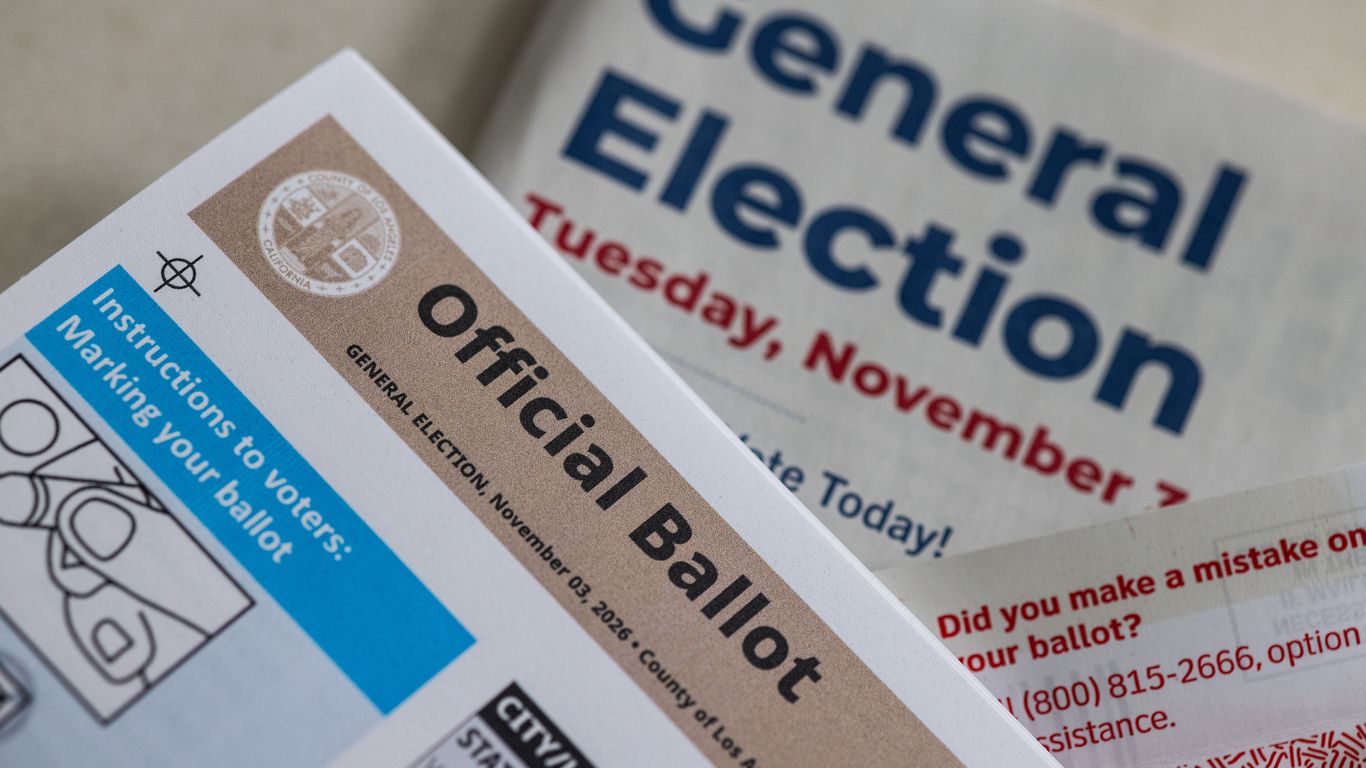 AxiosThis piece reads center
“judges citing doubts about the DOJ's voter list and the risk of”
FramingExplicitly names the court's reasoning for rejecting the DOJ bid, whereas The Blaze frames it as 'not over,' emphasizing continuation rather than the court's substantive grounds.
Read the original- The BlazeThis piece reads center-right
“but it's not over”
Word choiceDescribes voters as 'likely noncitizens,' whereas other outlets either say 'suspected' noncitizens or 'alleged' noncitizens—a more presumptive characterization before verification.
Read the original
Placements are generated by an AI model from each article’s own headline and summary, and every quotation above is checked to be a real substring of that article before it is published. How this is done
Prism is free and carries no advertising. Support it if it was useful.