Ballot scanning machines malfunction in Westchester County, New York on Election Day
Reported by
A dot shows how that piece reads — Prism rates articles, not outlets, and shows the words behind each placement below. No dot means the piece isn’t rated. How the ratings work
CNN
What happened
The account the coverage agrees on, with contested figures attributed rather than asserted. This is not one of the five framings below — it is the ground they all stand on.
On Election Day 2026, ballot scanning machines at polling sites across Westchester County, New York malfunctioned, rejecting paper ballots. New York Attorney General Letitia James said her office was monitoring the issue and working with state and local election boards on a solution. The malfunction occurred during voting in a competitive House race between Republican Rep. Mike Lawler and Democratic nominee Cait Conley. The Westchester Board of Elections stated that ballots remained secure and would be counted.
How the spectrum reads this story
The same event, summarised as five points on the political spectrum would each tend to frame it. These are generated by an AI model and are a starting point, not the last word.
Left
Election Day machinery failures in a swing district expose the fragility of voting infrastructure and raise serious questions about whether our elections can function reliably. The fact that scanners broke down in a key House race—precisely where it matters most—suggests systematic underinvestment in election administration. We need mandatory upgrades to voting equipment nationwide, robust auditing, and federal standards to prevent these recurring crises that undermine faith in democracy itself.
No article in this story reads this way. This is how the position tends to frame events like it — written by a model, not quoted from anyone.
Center-left
Voting machine problems in Westchester County disrupted Election Day operations in a competitive House race, though officials moved quickly to contain the situation. Attorney General James's immediate response and assurances that ballots would be counted help, but this incident underscores the need for better maintenance protocols and backup systems at the state and local level. Election officials should conduct a thorough review to prevent similar issues and maintain public confidence.
No article in this story reads this way. This is how the position tends to frame events like it — written by a model, not quoted from anyone.
Center
A technical malfunction affected voting in Westchester County on Election Day, creating operational challenges that election officials worked to resolve. The quick response from the state attorney general and local boards, combined with assurances that ballots were secure and would be counted, limited the damage. These incidents happen occasionally in any large system, but they do highlight a real trade-off: investing enough in election infrastructure requires sustained funding that many localities struggle to secure alongside other budget demands.
Drawn from 4 articles placed here, below.
Center-right
Voting machines malfunctioned in Westchester County during an important House race, creating procedural delays that fortunately were managed by local officials. While the situation was contained and ballots were secured, it illustrates why election integrity depends on well-maintained equipment and clear chains of custody. Election boards should ensure regular testing of machines before Election Day and have contingency plans ready.
Drawn from 1 article placed here, below.
Right
Ballot scanning failures in Westchester County during a key House race raised immediate concerns about voting system reliability and the security of ballots under pressure. Though officials reassured voters that ballots were secure, the incident highlights why robust chain-of-custody procedures, transparent observation of vote counting, and regular equipment audits are essential. Election integrity depends on equipment that works and processes voters can verify and trust.
No article in this story reads this way. This is how the position tends to frame events like it — written by a model, not quoted from anyone.
Hear two viewpoints debate it
Pick two viewpoints and Prism writes a short, six-turn exchange about this story in each one’s own voice — steel-manned, no winner declared. Each pairing is written once and then saved for every reader. The voices are AI syntheses of a tradition, not real people.
New pairing — Prism will write it now.
How each outlet covered it
Where Prism places each piece — not the outlet in general — with the words from that piece that put it there, and the photograph the outlet chose. Picking a photo is a framing decision too.
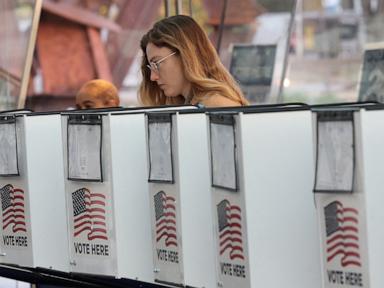 ABC NewsThis piece reads center
“DOJ says election monitors will be in all 50 states”
Read the original CNNThis piece reads center
“are experiencing "issues," the state's attorney general has said”
Read the original Just the NewsThis piece reads center
“ballots are secure and would be counted”
FramingLeads with the reassurance from election officials rather than the nature of the malfunction itself—emphasizing the solution over the problem.
Read the original
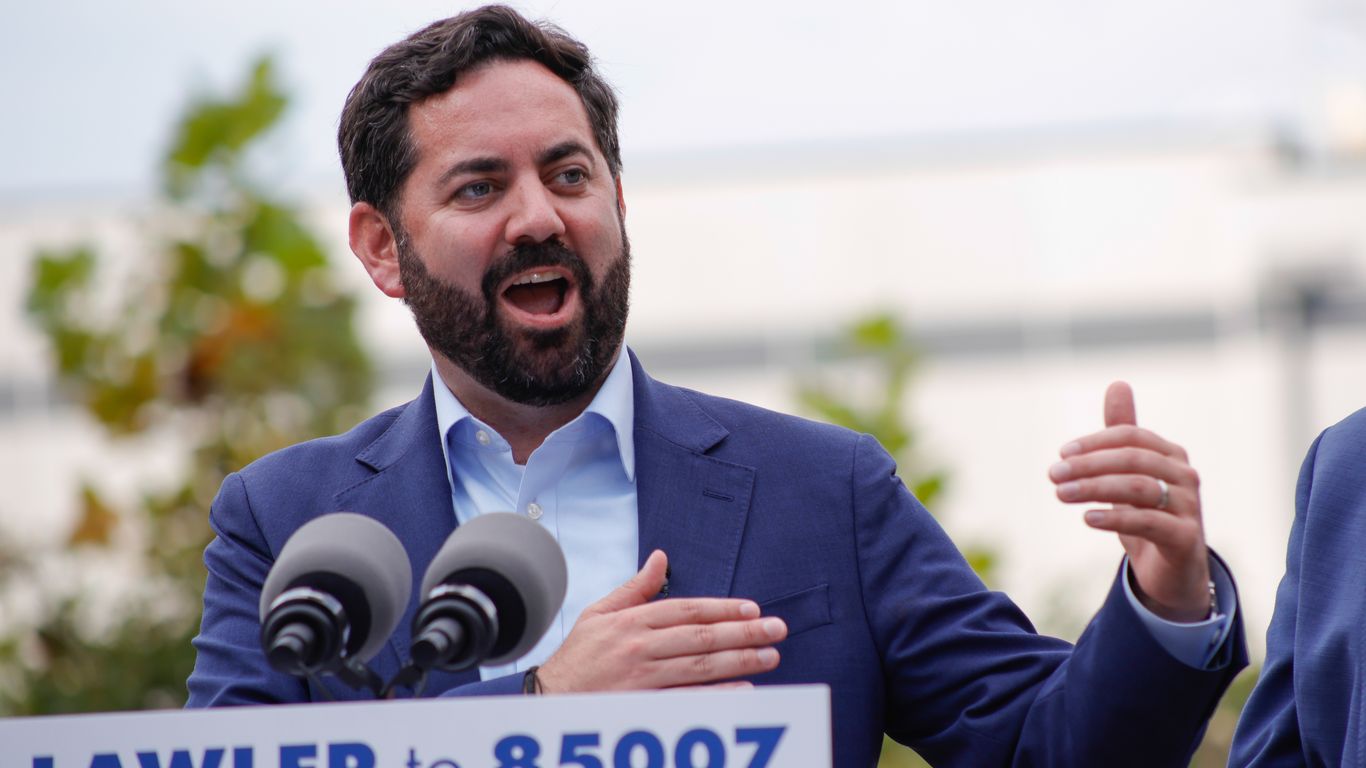 AxiosThis piece reads center-right
“Voting machine chaos hits key House battleground”
Word choiceUses the word 'chaos' in the headline, which conveys disorder and severity, where other outlets describe it more neutrally as 'issues,' 'problems,' or 'malfunctions.'
Read the original
Placements are generated by an AI model from each article’s own headline and summary, and every quotation above is checked to be a real substring of that article before it is published. How this is done
Prism is free and carries no advertising. Support it if it was useful.